
 English
 русский
 Français
 Español
 Português
Cooperate Hand in Hand · Create Value Together
Welcome to Consult and Visit, We Are Dedicated to Serving You!
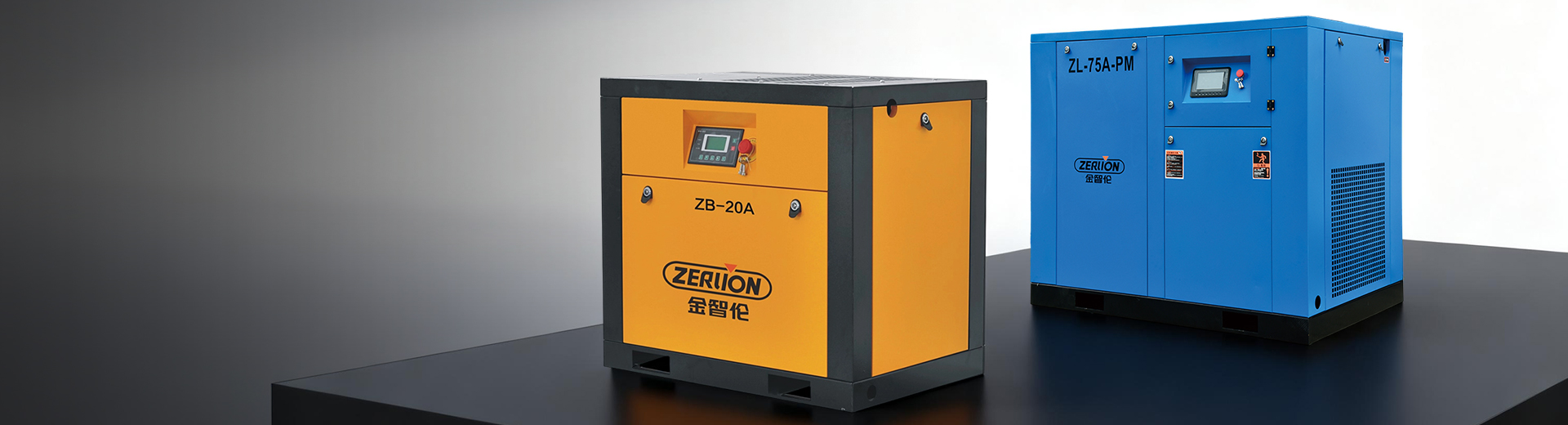
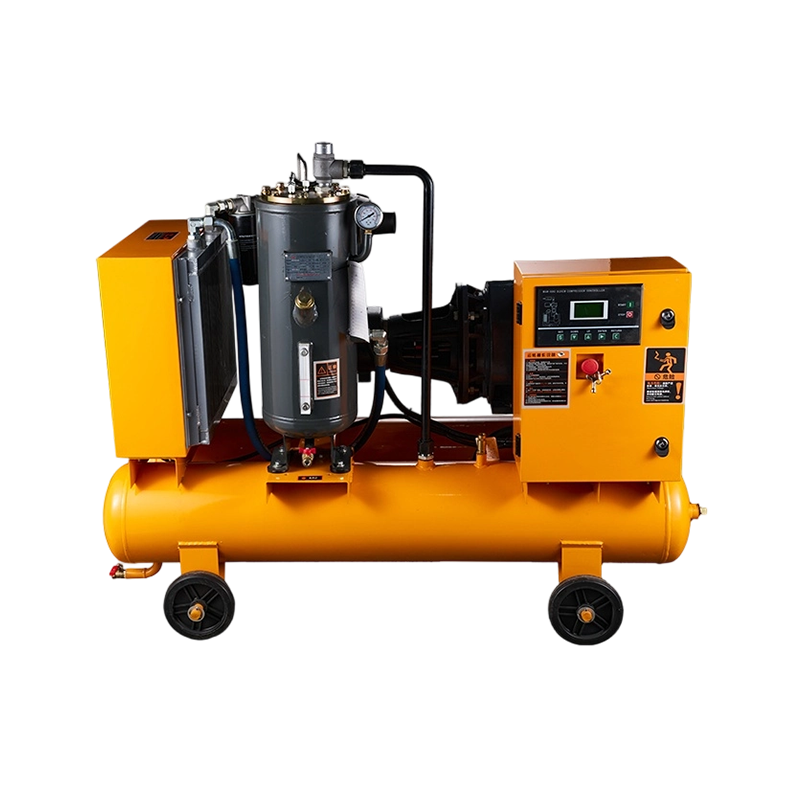
Fixed-speed Modular Screw Air Compressor
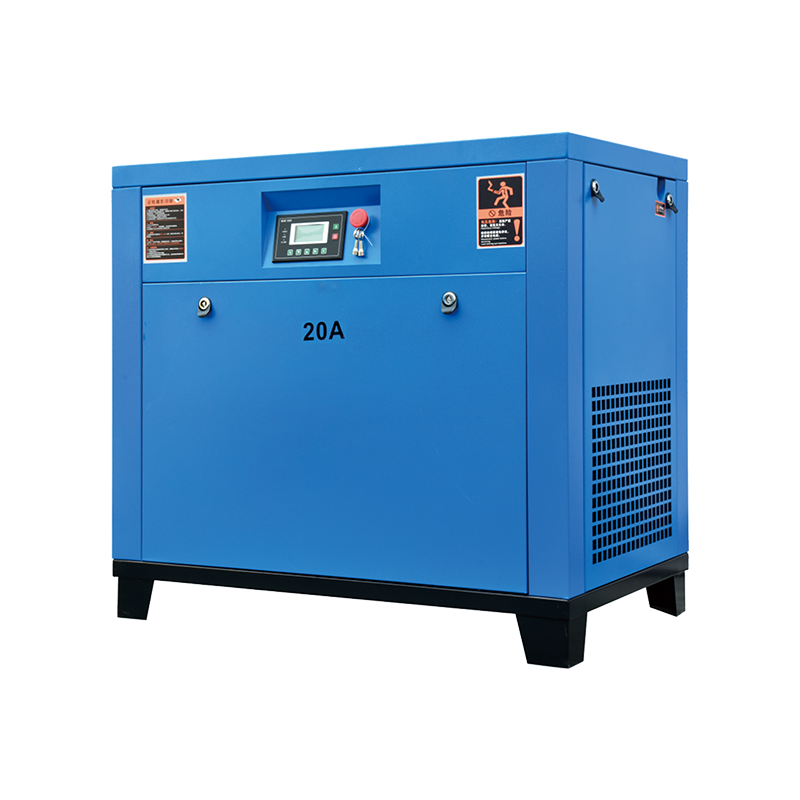
Box-Type Screw Air Compressor
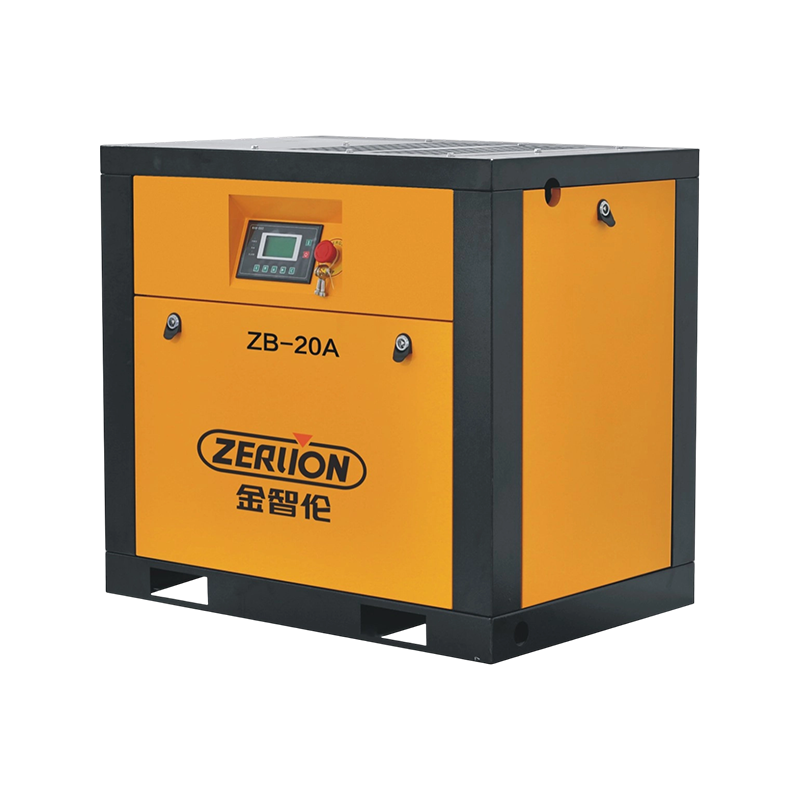
Box-Type Screw Air Compressor
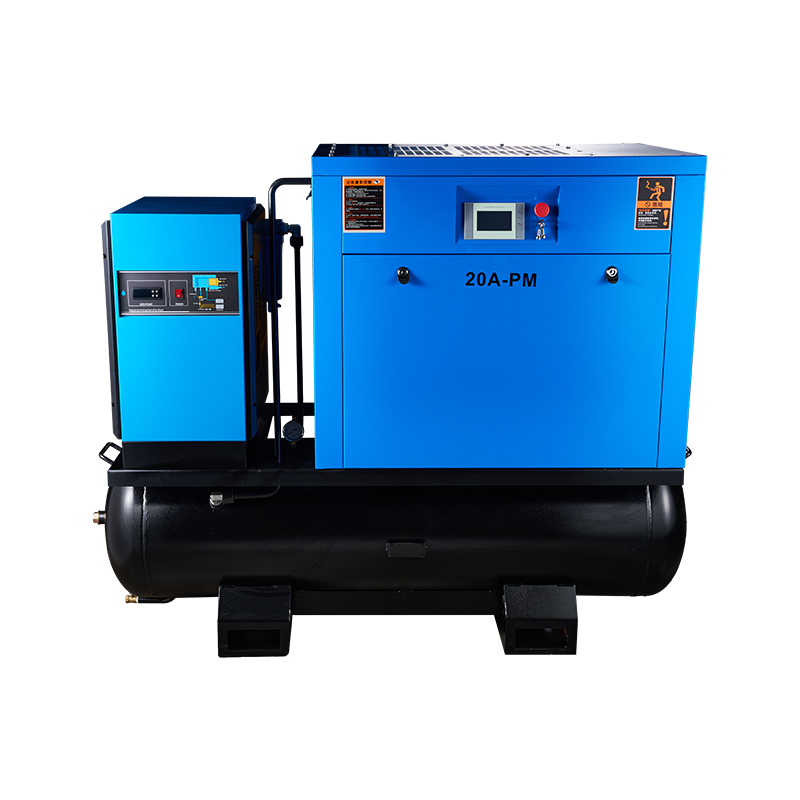
Modular Variable Frequency Screw Air Compressor
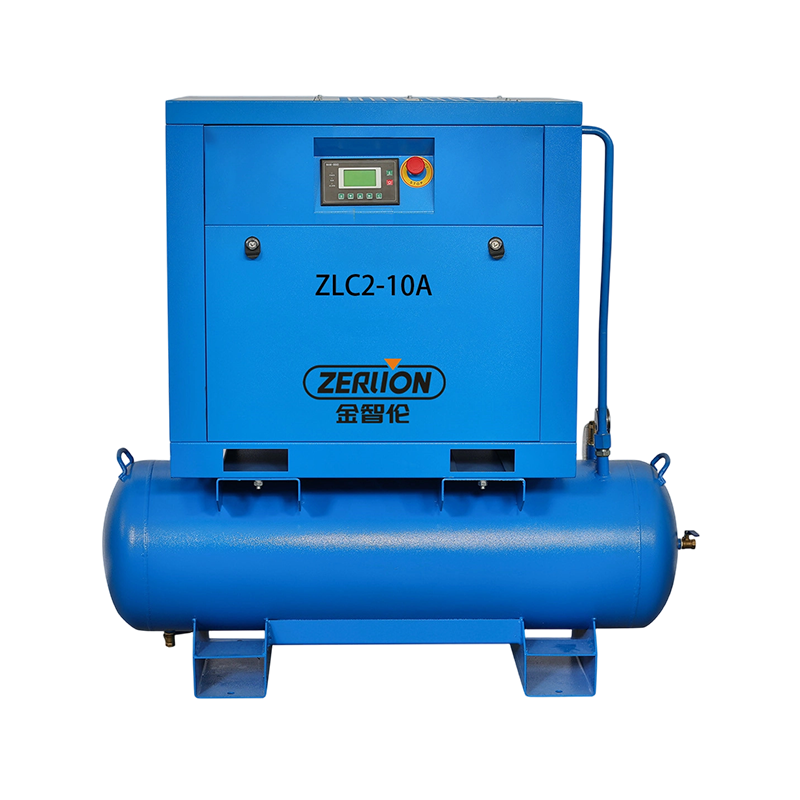
Modular Variable Frequency Screw Air Compressor
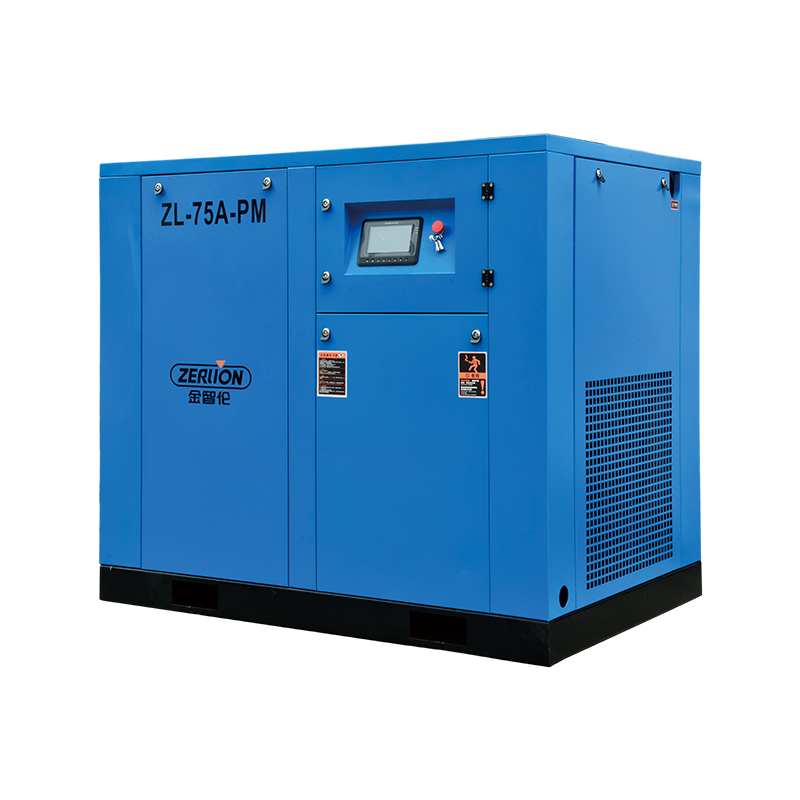
Box-Type Variable Frequency Screw Air Compressor
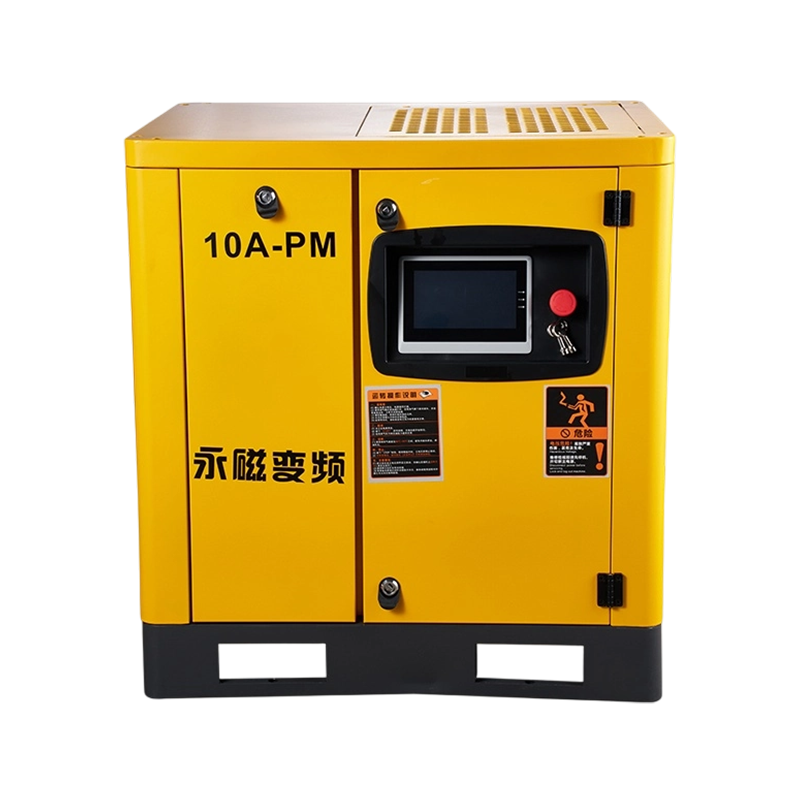
Box-Type Variable Frequency Screw Air Compressor
Compressed air systems waste a surprising amount of energy just idling between demand spikes. A factory floor might need full airflow for ten minutes, then almost nothing for the next twenty, and a co...
READ MOREDemand Rises For Low-Pressure Air Systems Compressed air is used across many industrial processes, but not every application requires high-pressure air. Some production equipment needs a steady flow o...
READ MORERotary screw machines form a steady stream of compressed air through continuous volume reduction rather than intermittent strokes. In belt-driven screw compressors the electric motor sits separate fro...
READ MOREManufacturing plants running compressed air systems around the clock have been paying closer attention to how their equipment behaves under partial load, and that shift in attention has pushed the per...
READ MORECompressed air runs quietly in the background of countless factories, workshops, and production lines, yet almost nothing on the floor keeps moving without it. Behind every reliable air supply is a sc...
READ MOREWhere Laser Cutting Actually Fits In Laser cutting works on flat or sheet material, using a focused beam to cut precise shapes out of metal stock — steel, stainless steel, or aluminum, depending on th...
READ MORECompressed air is often referred to as the "fourth major power source," finding widespread application across virtually every sector—including manufacturing, chemicals, food processing, healthcare, and electronics. Among the equipment used to generate this vital resource, the screw air compressor stands out as one of the most widely utilized devices in the industrial landscape today.
The core operating principle of a screw air compressor involves a pair of intermeshing male and female helical rotors rotating within a housing; through the periodic variation of the volume between the rotor lobes, the machine effectively executes the intake, compression, and discharge of air. Compared to traditional piston-type compressors, screw air compressors offer the following distinct advantages:
It is precisely because of these advantages that screw air compressors have gradually supplanted piston compressors to become the mainstream choice for factory air stations. However, given the vast array of pressure ranges and model configurations available on the market, determining how to select the most suitable model based on specific operational conditions remains a critical challenge for many procurement decision-makers.
A low-pressure screw air compressor typically refers to a screw-type compressor with a discharge pressure ranging from 0.3 MPa to 0.5 MPa (3 to 5 bar). Some industry standards also classify pressures of 0.7 MPa and below as falling within the broader category of "low pressure." Compared to medium- and high-pressure models, low-pressure screw air compressors feature a lower compression ratio. This means that generating an equivalent volume of compressed air requires less electrical energy—a fundamental reason why low-pressure units are highly popular in specific industries.
Energy efficiency is the primary advantage. The energy consumption associated with compressed air is directly linked to its pressure level. Taking an equal discharge volume as an example, the electrical energy required to compress gas to 0.4 MPa is significantly lower than that required to compress it to 0.8 MPa. For industries with inherently low compressed air pressure requirements, selecting a low-pressure model can reduce operating electricity costs by 20% to 40%, yielding substantial long-term financial benefits.
Lower noise levels and quieter operation. Under low-pressure operating conditions, the rotor bears a lighter load and experiences less mechanical stress; consequently, the overall noise level of the unit is typically 3 to 8 dB lower than that of medium- or high-pressure models, creating a more production-friendly environment.
Enhanced equipment longevity. Operation at a lower compression ratio implies that mechanical components are subjected to lower thermal and mechanical stresses. Under equivalent maintenance conditions, the core air-end (compressor block) of a low-pressure unit typically enjoys a longer service life.
Medium-Pressure Screw Compressors typically refer to screw-type compressors with a discharge pressure ranging from 1.0 MPa to 4.0 MPa, although some definitions also include the 0.8 to 1.6 MPa range within the medium-pressure category. Within this pressure range, the equipment's structural design, material selection, and sealing systems must be specifically reinforced to withstand high-pressure operating conditions.
Medium-pressure screw compressors typically employ a two-stage compression structure: the gas is first compressed to an intermediate pressure by a primary screw stage, then—after undergoing inter-cooling—it enters a secondary screw stage for further compression to the target pressure. This design effectively reduces the compression ratio required at each stage, thereby safeguarding volumetric efficiency while simultaneously controlling the discharge temperature, resulting in a significant improvement in the unit's overall energy efficiency and reliability.
Coverage of a wider range of industrial pressure requirements. Many industrial machines and process flows require air source pressures exceeding the standard 0.8 MPa range—such as high-pressure bottle blowing, airtightness testing, and high-pressure sandblasting. Medium-pressure screw compressors can directly meet these demands without the need for additional booster equipment.
Two-stage compression offers higher efficiency. Compared to single-stage operation with a high compression ratio, two-stage compression brings isothermal efficiency closer to the theoretical ideal. In the pressure range above 1.0 MPa, the energy consumption of a two-stage compressor is typically 10% to 15% lower than that of a single-stage unit.
Lower discharge temperatures ensure greater equipment safety. The intermediate cooling structure effectively regulates the intake temperature for the second compression stage; consequently, the overall discharge temperature of the unit is typically lower than that of a single-stage high-pressure compressor. This is highly beneficial for preserving the quality of the lubricating oil and extending the service life of the air-end.
Robust adaptability to harsh operating conditions. Medium-pressure compressors feature reinforced designs—specifically tailored for high-pressure environments—regarding structural strength, bearing load capacity, and sealing performance, making them ideally suited for continuous, heavy-duty operation.
Many buyers find themselves hesitating between low-pressure and medium-pressure compressor models. The comparison framework below can help you quickly identify the right choice:
Choose a low-pressure screw air compressor if your operating conditions are:
Choose a medium-pressure screw air compressor if your operating conditions are:
A practical rule of thumb is this: Always base your decision on the actual process pressure requirements, rather than solely on the rated pressure listed on the equipment's nameplate. Many factories incur unnecessary long-term energy costs because they selected an air station with an excessively high-pressure rating; conversely, other factories suffer from reduced production efficiency because they underestimated their air pressure needs, resulting in persistently low pressure within their piping networks.
 +86-576-8262 1313
 +86-576-8262 1216
 +86-13867656789
 +86-13867656789
Xiayun Village, Hengjie Town, Luqiao District, Taizhou City Zhejiang Province, China

Copyright © Zhejiang Zhilun Mechanical & Electrical Co., Ltd. All Rights Reserved.
Screw Air Compressor Supplier

