
An air compressor factory plays a pivotal role in various industries, from manufacturing to construction and automotive. These factories are responsible for producing air compressors, machines that convert power into potential energy stored in pressurized air. This compressed air is used across multiple sectors for tasks such as powering pneumatic tools, cleaning, and even operating machinery. The ability to produce reliable and efficient air compressors is essential, as industries depend on them for a wide range of applications.
Inside the factory, a variety of components come together to create the final product. Skilled engineers, designers, and production teams work in tandem to ensure that each air compressor meets strict performance standards. The factory itself is a high-tech environment, where precise machining and assembly are essential to achieving the efficiency and durability expected from these machines.
Creating an air compressor is no small feat. The process begins with the production of individual components, such as the motor, pistons, and tanks. These parts must be made with high precision to ensure that the finished compressor operates smoothly and reliably. Factories use advanced machinery, like CNC machines and robotic arms, to achieve the level of accuracy required.
The components are then assembled in a clean, controlled environment to avoid contamination. The assembly process is a delicate balance of mechanical assembly, electrical wiring, and calibration. Engineers test each unit for pressure resistance and efficiency before they are packaged and shipped out. The final quality checks ensure that the air compressors can withstand the rigors of daily use in demanding environments.
One of the key factors that differentiate modern air compressor factories from older manufacturing facilities is the integration of advanced technologies. From 3D modeling software to automated assembly lines, technology has revolutionized how air compressors are designed and produced.
Many factories use computer-aided design (CAD) to model the components of an air compressor before production begins. This allows for testing and modifications in a virtual space, reducing errors and improving product quality. Additionally, automated testing and diagnostics ensure that every compressor performs as expected before it leaves the factory floor. These technologies help factories increase production efficiency, reduce waste, and maintain high-quality standards.
The global demand for air compressors continues to grow, driven by industrial expansion and increasing automation in various sectors. Air compressor factories are responding by expanding their operations and enhancing their capabilities to meet the needs of different markets. Some factories have even adopted lean manufacturing principles, which streamline the production process, minimize waste, and maximize output.
International trade also plays a significant role in the success of these factories. Air compressor manufacturers are increasingly exporting their products to emerging markets where industrialization is on the rise. This global outreach is not just about increasing sales; it’s also about adapting to the specific requirements of different industries and regions. For example, factories in countries with high temperatures may produce air compressors designed for use in harsh climates, ensuring that customers worldwide receive products tailored to their needs.
 View More
 View More
 View More
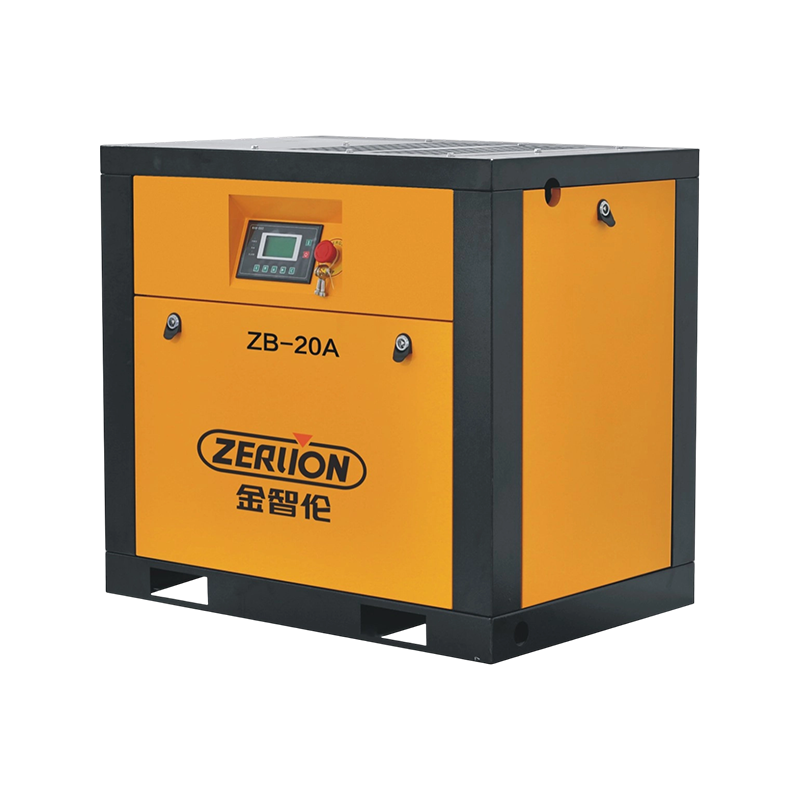 View More
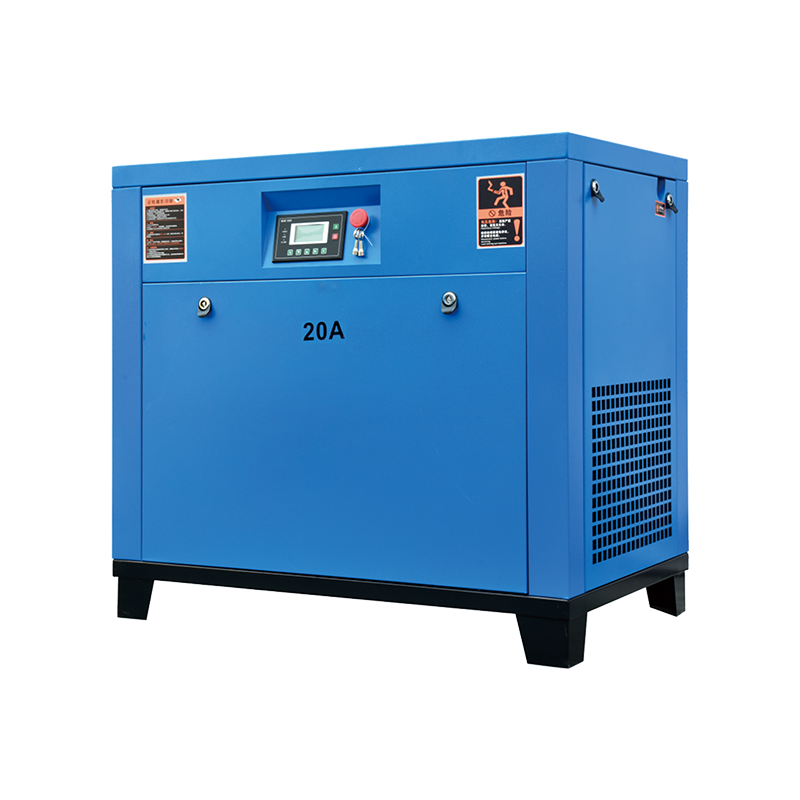 View More
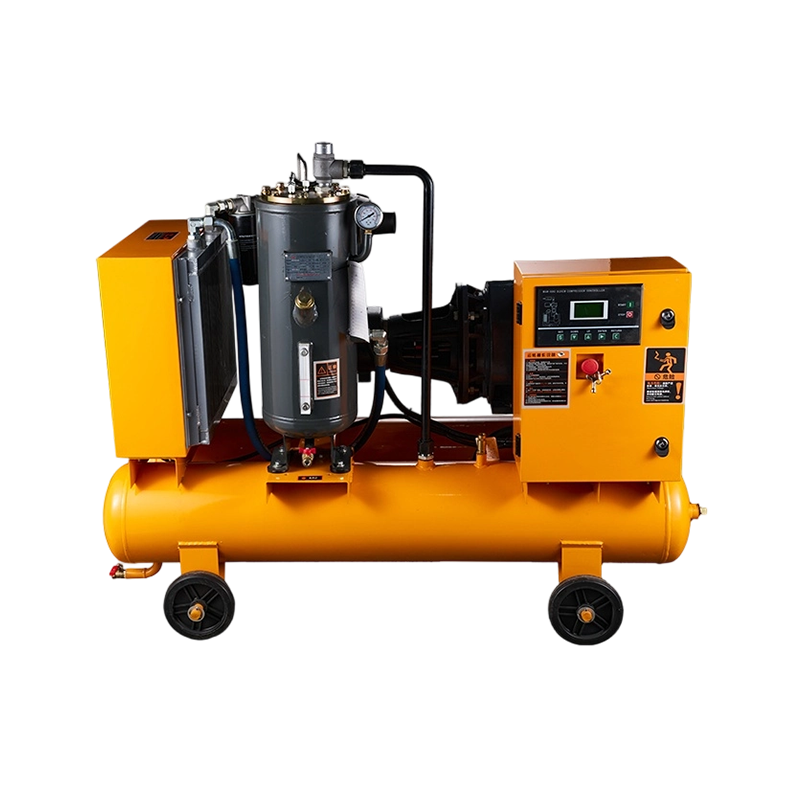 View More
 +86-576-8262 1313
 +86-576-8262 1216
 +86-13867656789
 +86-13867656789
Xiayun Village, Hengjie Town, Luqiao District, Taizhou City Zhejiang Province, China

Copyright © Zhejiang Zhilun Mechanical & Electrical Co., Ltd. All Rights Reserved.
Air Compressor Factory

 English
 русский
 Français
 Español
 Português
