
 English
 русский
 Français
 Español
 Português
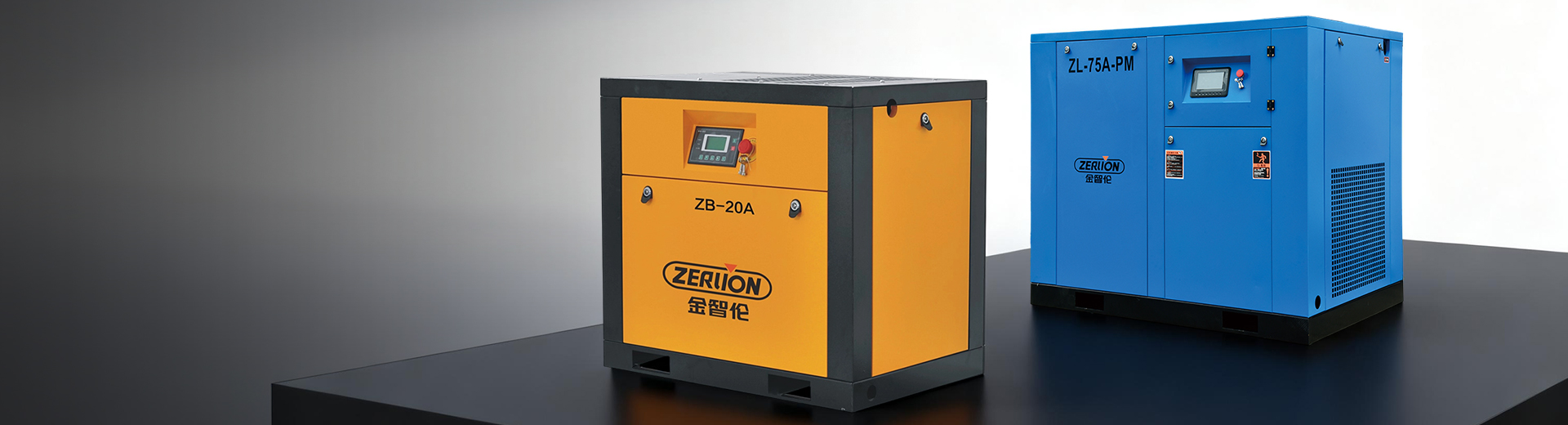
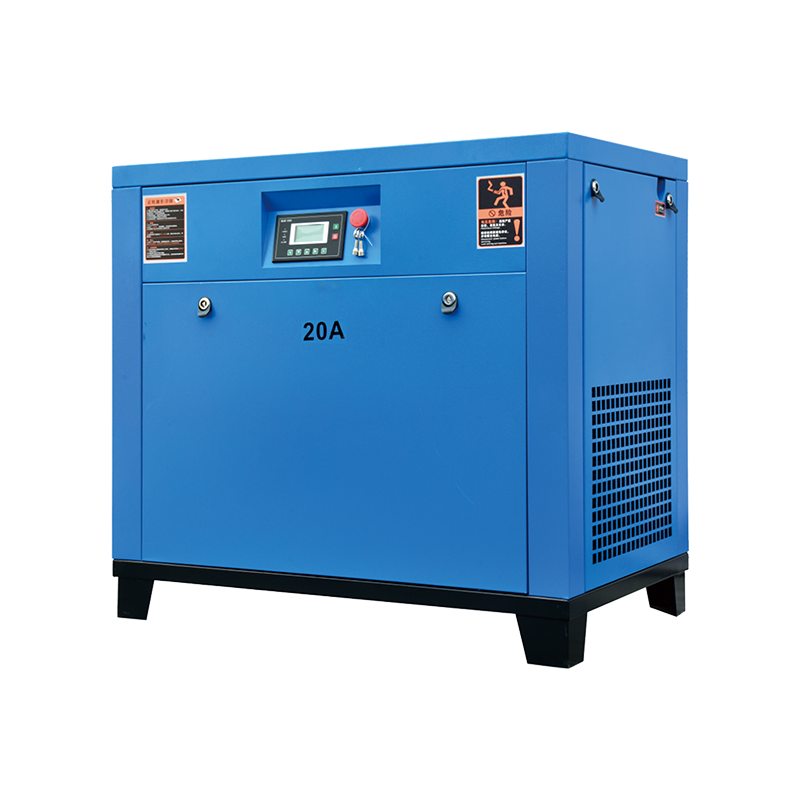
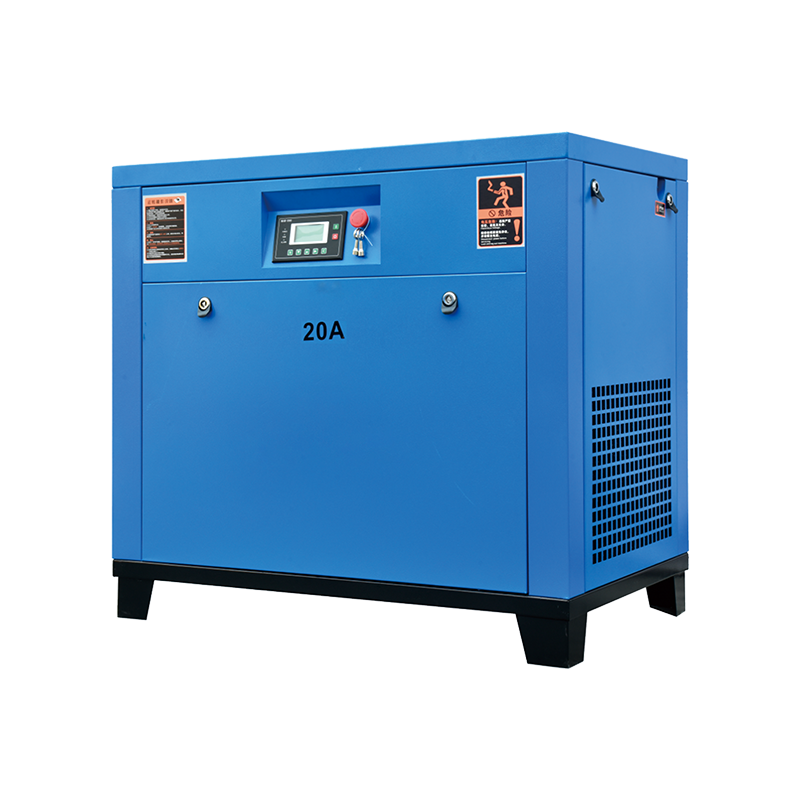
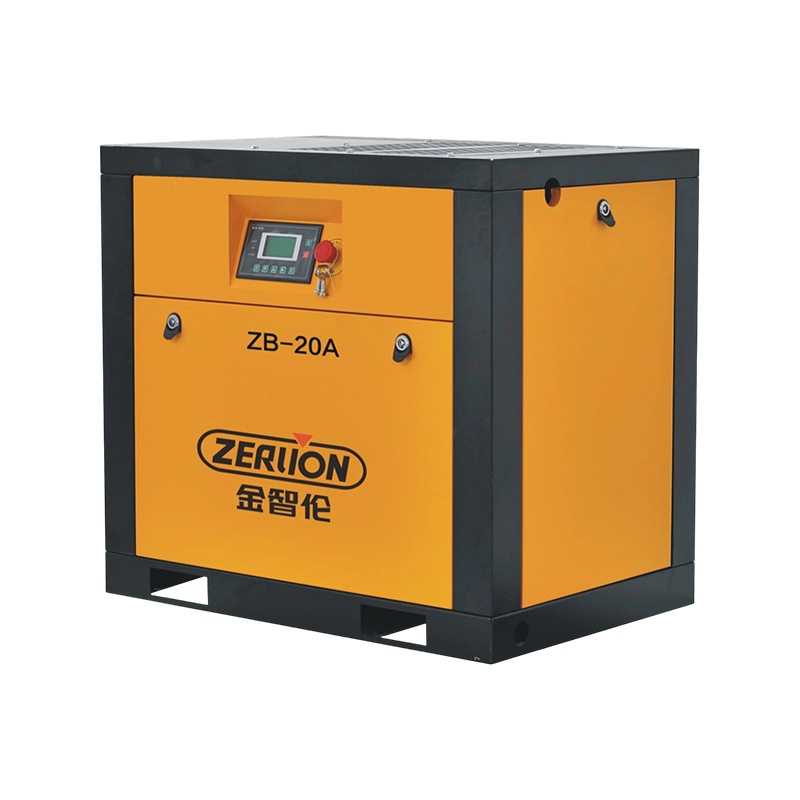
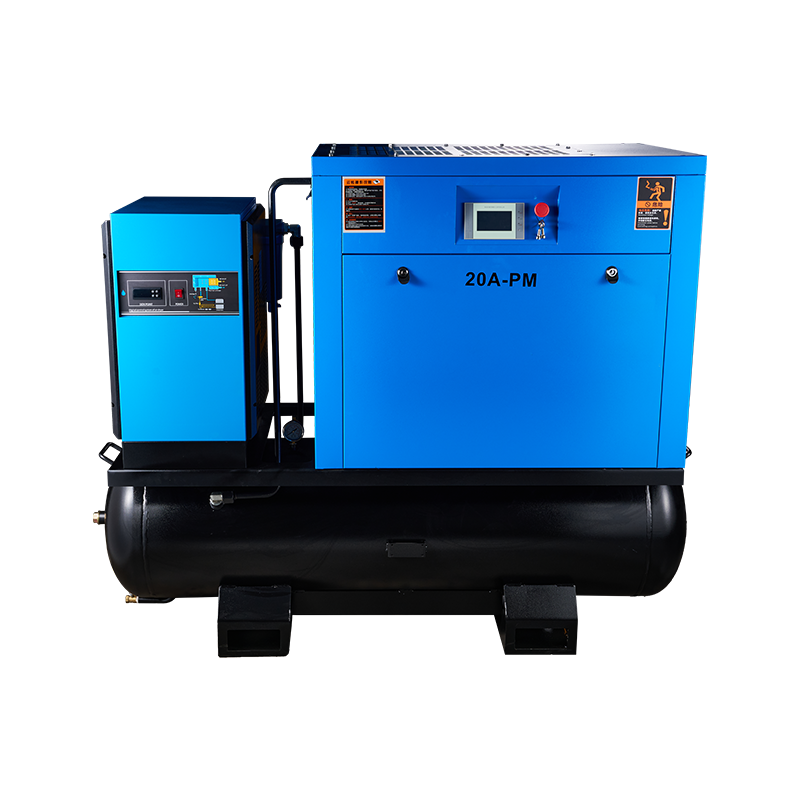
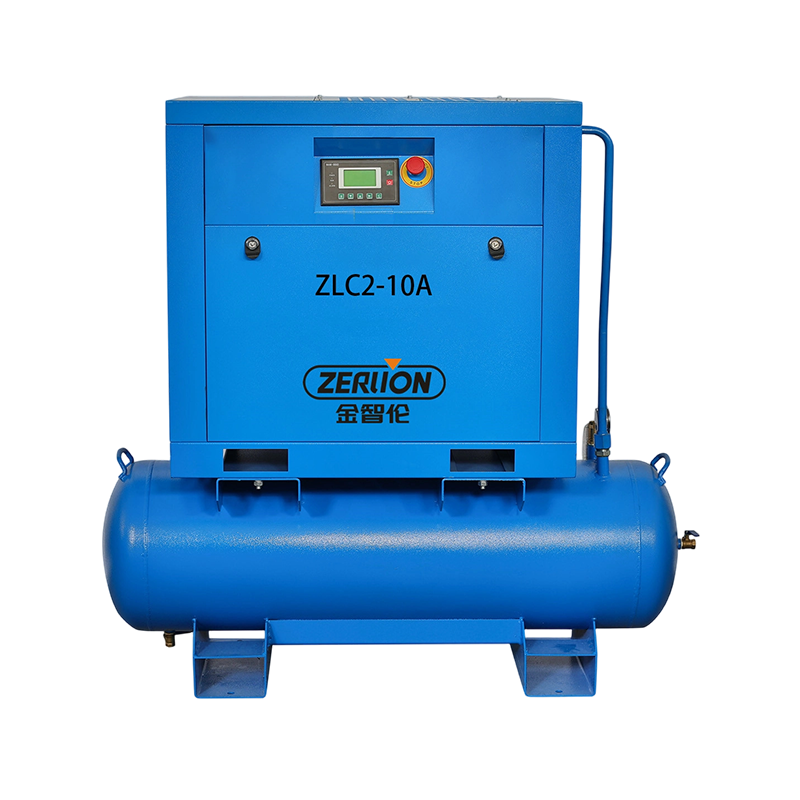
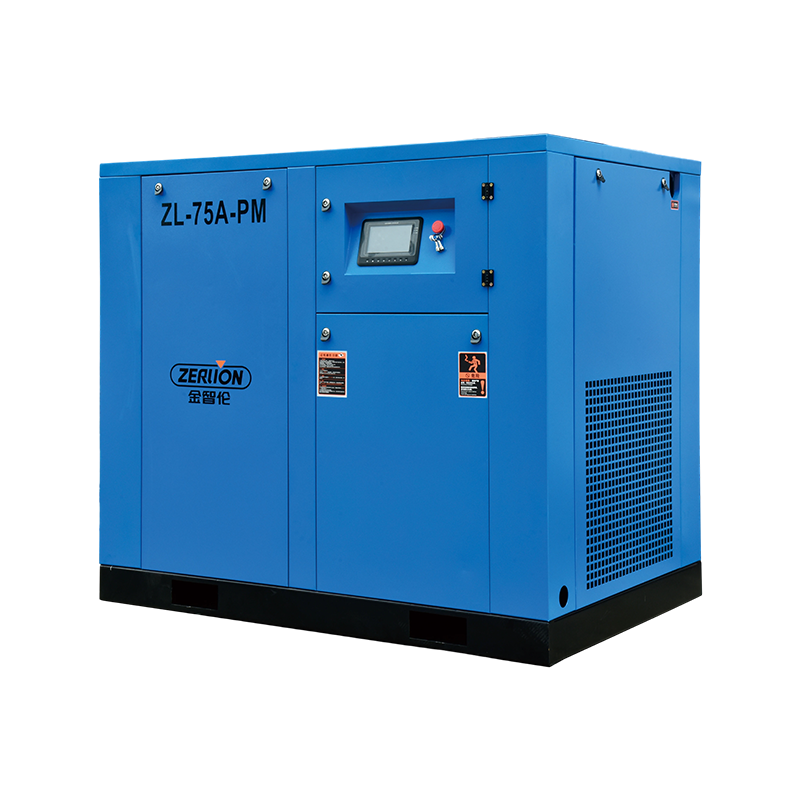
Box-Type Screw Air Compressor
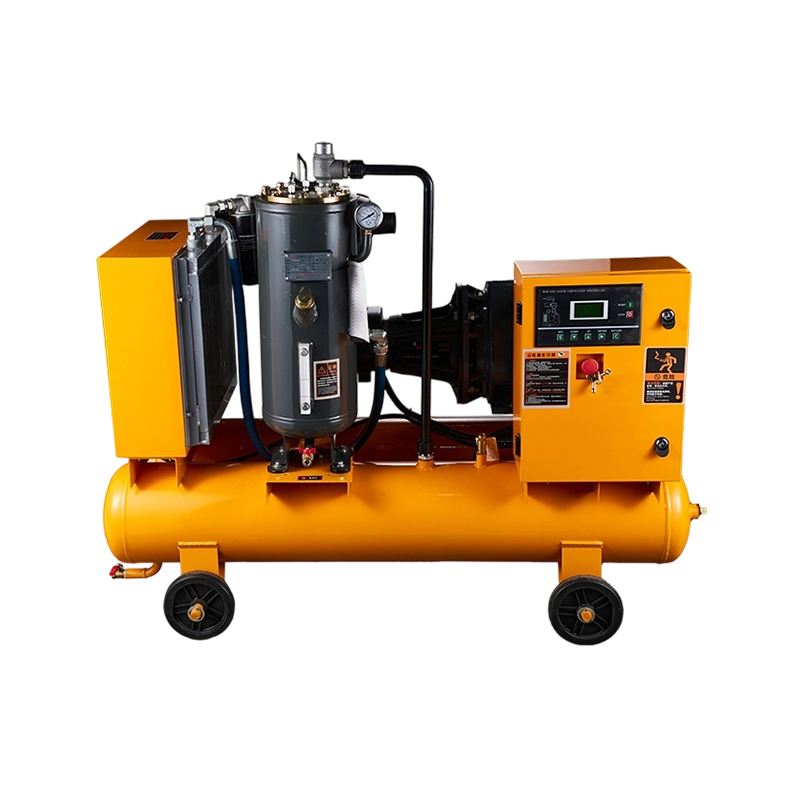
Belt-Driven Exporting Standard Screw Air Compressor
E-mail: [email protected]
Mob/Wechat/whatsApp:+86-13867656789
Contact Us
Mob/Wechat/whatsApp:+86-13867656789


 View More
 View More
 View More
 View More
 View More
 View More
A medium-pressure screw air compressor provides a reliable stream of compressed air for many industrial settings. Workshops and production lines depend on this type of machine when they need consisten...
READ MORECompressed air systems can look simple from the outside. A machine produces compressed air, pipes carry it across a facility, and equipment uses it when needed. Inside the system, however, several fun...
READ MOREBreaking Down What VSD and PM Actually Mean The "VSD" in the name stands for variable speed drive, a control system that adjusts motor speed in real time based on how much compressed air the plant is ...
READ MOREManufacturing plants, workshops, and construction sites rely on steady compressed air for tools, machinery, and processes. An Air Compressor Factory works as a specialized partner that designs and bui...
READ MOREThe transmission logic of a belt-driven screw compressor is clear and intuitive: the motor transmits power to the screw air-end rotors via a belt and pulley system, driving the male and female rotors to rotate in mesh, thereby completing the processes of gas intake, compression, and discharge.
The combination of belts and pulleys endows this type of compressor with a unique engineering flexibility: by adjusting the size ratio of the pulleys, the rotational speed of the air-end can be altered within a certain range. This, in turn, allows for the adjustment of the equipment's air output and operating pressure—enabling it to adapt to diverse air demand requirements without the need to replace major components. This feature holds significant practical value in applications where air pressure must be flexibly adjusted to meet specific process requirements.
The vibration-damping and buffering characteristics of the belt also constitute one of the engineering advantages of this compressor type. While transmitting power, the belt effectively absorbs the shock torque generated during the motor's start-up phase, thereby reducing mechanical stress on the transmission system and providing a degree of protection for the screw air-end's bearings and seals.
Convenient Transmission System Maintenance: Inspecting and replacing the belt is a simple operation that requires no specialized tools; maintenance personnel with basic mechanical knowledge can easily perform routine upkeep tasks. Regularly checking the belt tension and pulley alignment are the primary maintenance activities required to ensure the stable operation of the transmission system.
| Comparison Dimensions | Standard Belt-Driven Screw Compressor | Direct-Drive Screw Compressor |
| Initial Purchase Cost | Relatively lower | Relatively higher |
| Transmission Efficiency | Subject to some power loss via the belt | Shorter transmission path; minimal power loss |
| Speed Adjustment Flexibility | Adjustable by changing pulleys | Adjustment method is relatively fixed |
| Routine Maintenance | Requires periodic inspection of belt tension and wear | No belt-related maintenance tasks |
| Startup Shock Buffering | Belt absorbs startup shock | Rigid connection; shock is transmitted directly |
| Operational Noise Levels | Belt dampens vibration; noise is relatively lower | Varies depending on the coupling design |
| Applicable Operating Conditions | Fluctuating air demand; requires flexible pressure regulation | Continuous, stable-load operation |
| Spare Parts Availability | Standardized belts; ample market supply | Components (e.g., couplings) are often proprietary/specialized |
The above comparison is based on general operating conditions. Specific selection recommendations should be based on a comprehensive evaluation of on-site air consumption characteristics and maintenance conditions.
Standard belt-driven screw compressors are highly adaptable to the following industry scenarios:
The long-term, stable operation of a belt-driven screw compressor depends largely on the quality of its routine maintenance. The following aspects warrant particular attention:
 +86-576-8262 1313
 +86-576-8262 1216
 +86-13867656789
 +86-13867656789
Xiayun Village, Hengjie Town, Luqiao District, Taizhou City Zhejiang Province, China

Copyright © Zhejiang Zhilun Mechanical & Electrical Co., Ltd. All Rights Reserved.
Air Compressor Factory

