
 English
 русский
 Français
 Español
 Português
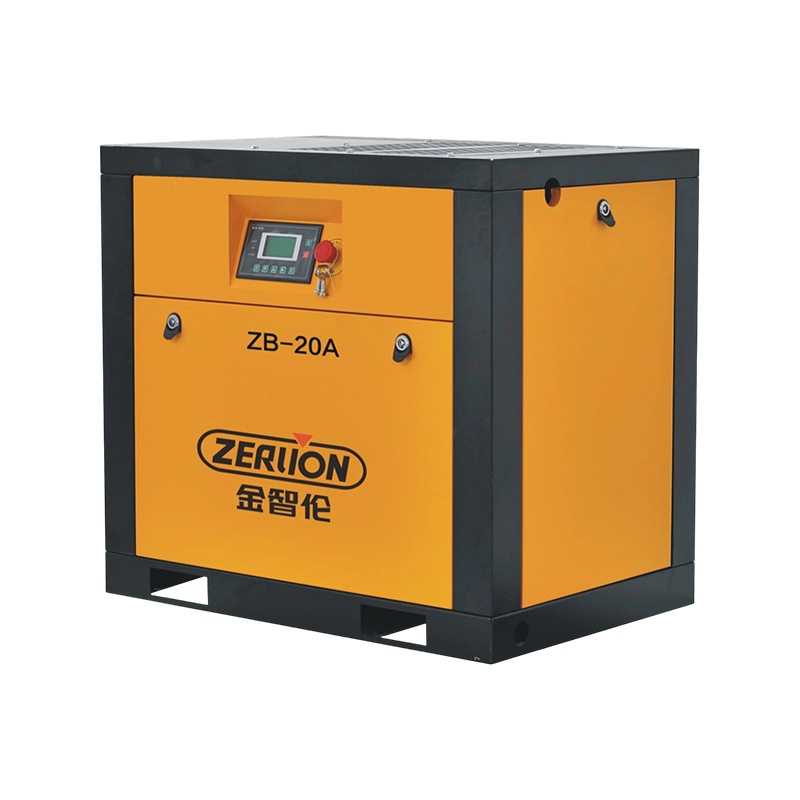
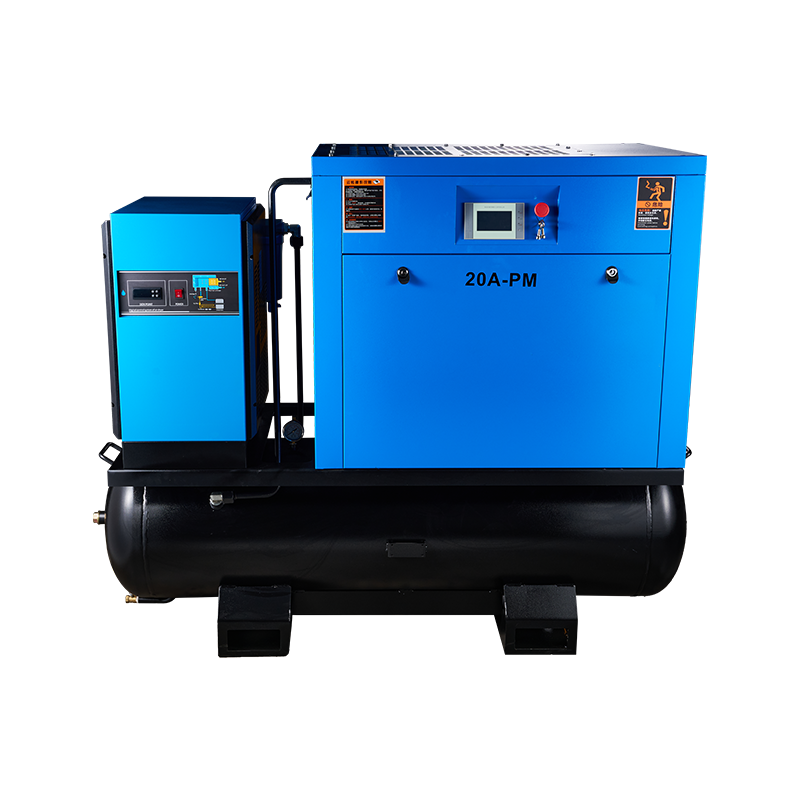
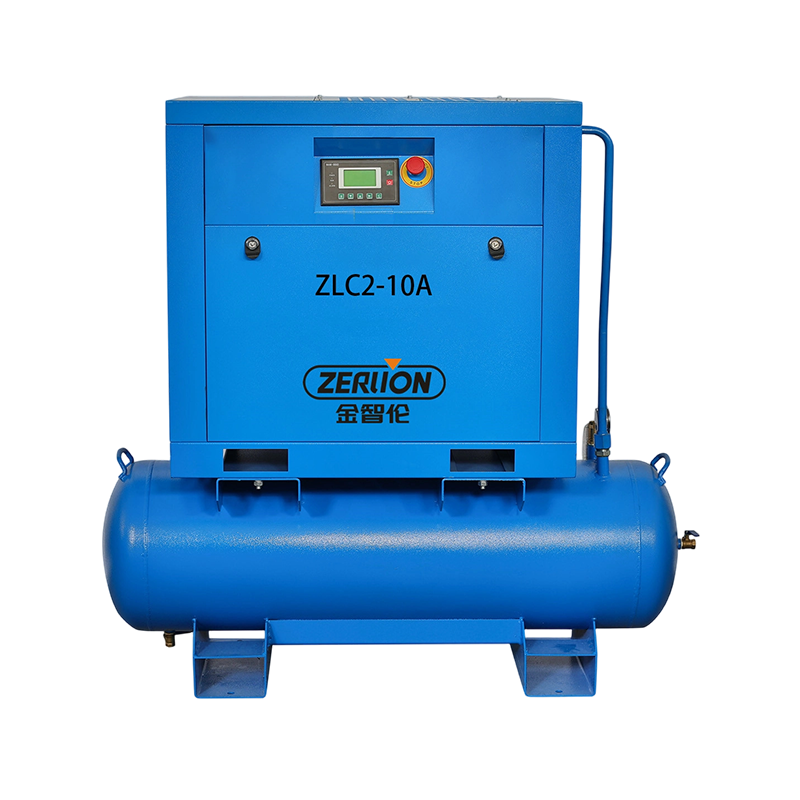
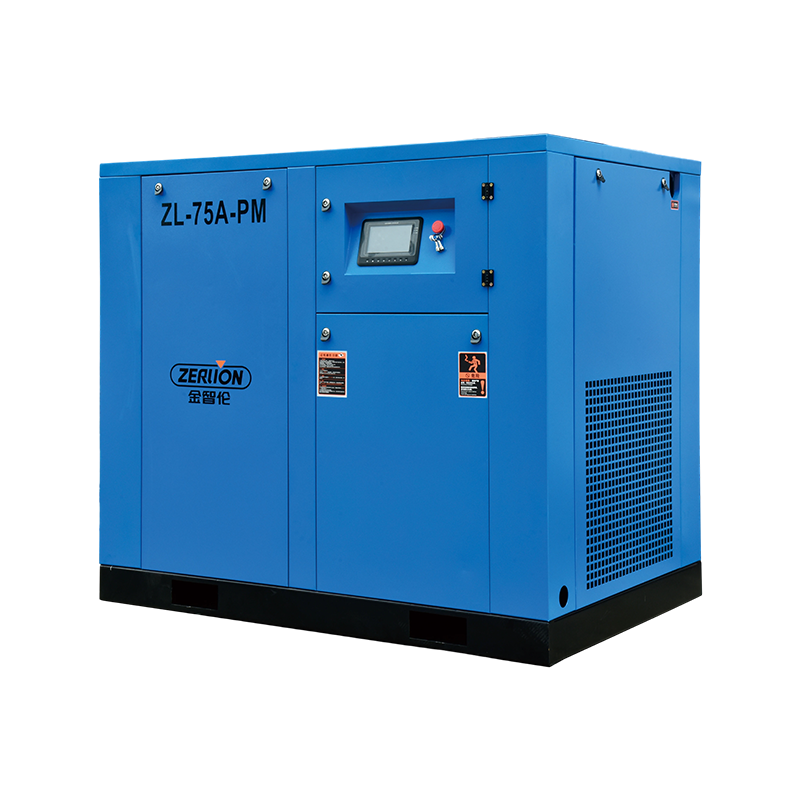
Box-Type Screw Air Compressor
Direct-Driven Fix Speed Screw Air Compressor
E-mail: [email protected]
Mob/Wechat/whatsApp:+86-13867656789
Contact Us
Mob/Wechat/whatsApp:+86-13867656789


 View More
 View More
 View More
 View More
 View More
 View More
Compressed air plays an important role in many industrial production processes. From operating pneumatic tools to supplying air for automated equipment, factories rely on stable compressed air systems...
READ MORECompressed air is used in many manufacturing operations, from pneumatic conveying and automated assembly to packaging and machining. However, air consumption does not always remain at a constant level...
READ MOREA two-stage screw air compressor delivers compressed air through sequential compression steps that improve overall efficiency in industrial settings. Plant engineers and facility managers examine its ...
READ MOREUnderstanding Fixed-Speed Screw Compression Compressed air plays an important role in manufacturing, workshops, packaging lines, and industrial processing. A Fix speed screw air compressor (Belt-drive...
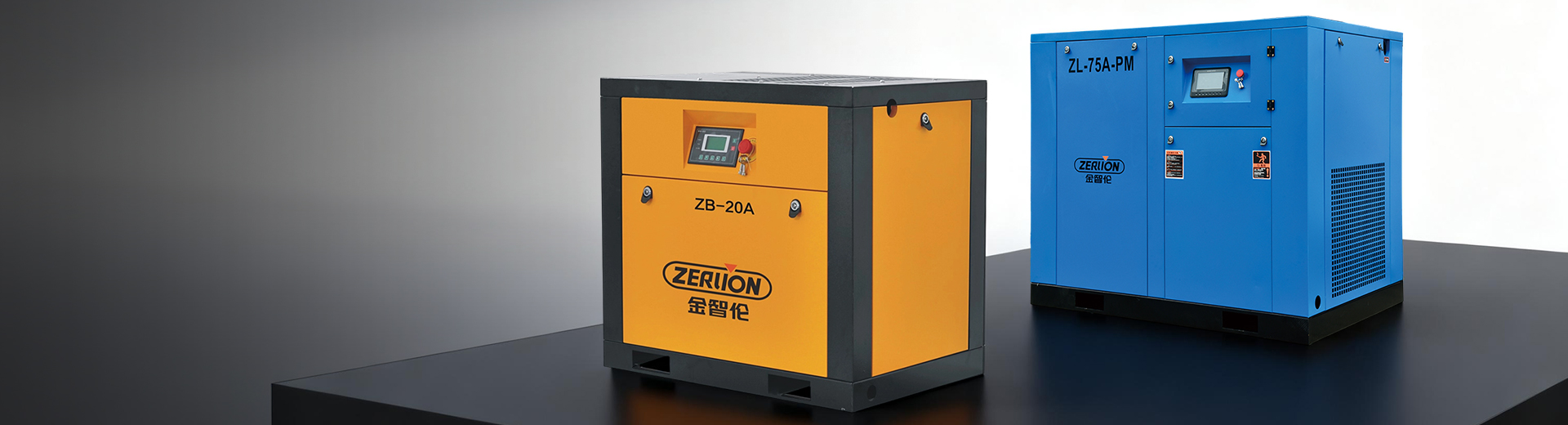
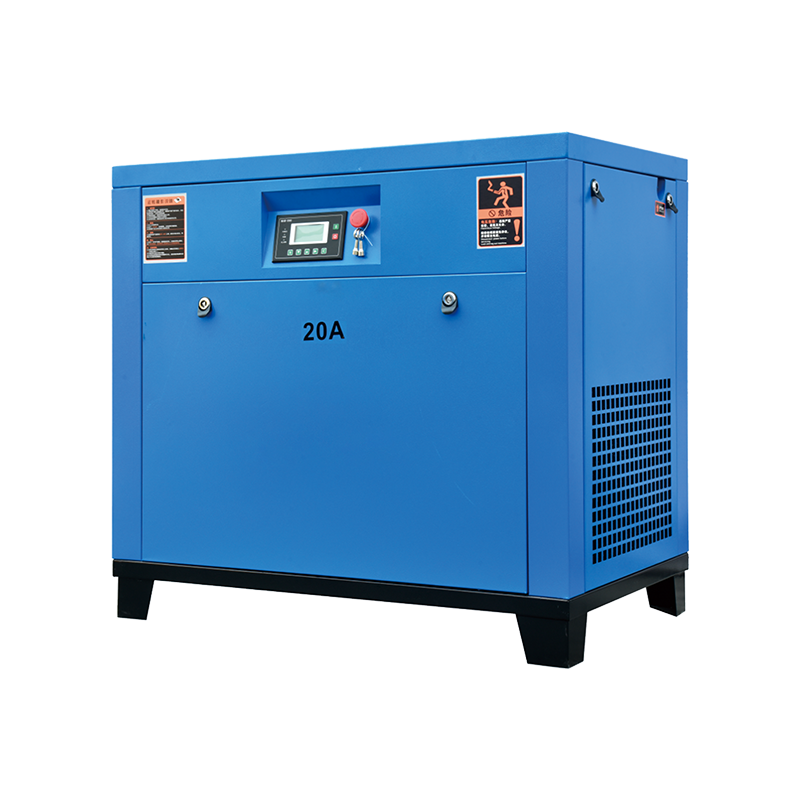
READ MOREThe Direct-Driven Fixed-Spee Box-Type Screw Compressor maintains a broad base of application in production environments where air demand remains consistently stable, thanks to three core design features: its direct-drive transmission structure, stable fixed-frequency output, and integrated enclosure packaging. This type of unit seamlessly combines mature screw compression technology, a simple yet efficient transmission method, and a clean, enclosed aesthetic, making it a practical choice for numerous manufacturing enterprises when establishing their air supply systems.
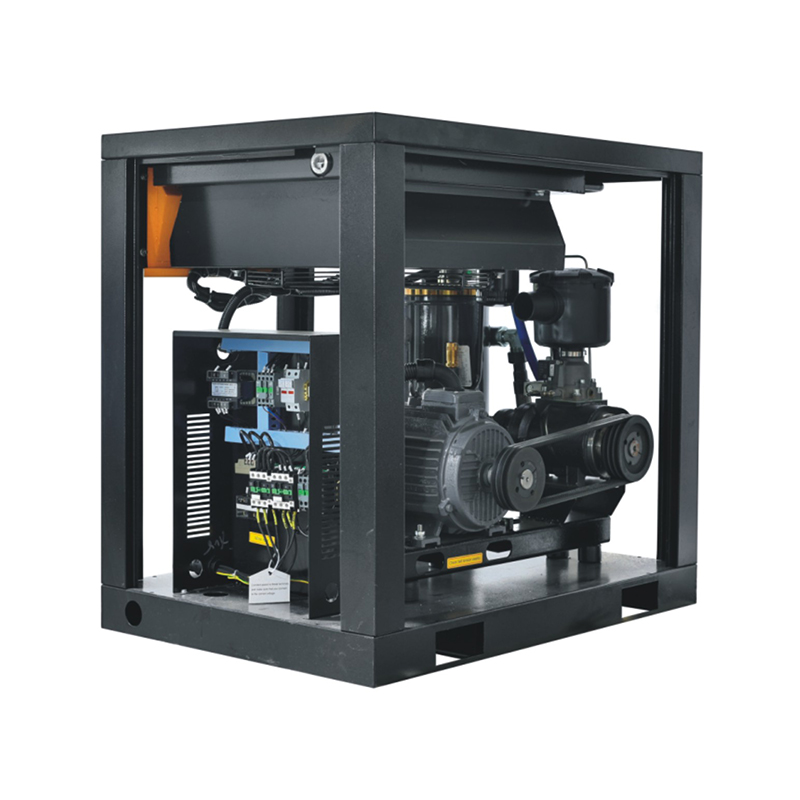
Direct-drive transmission is the key technical feature distinguishing this type of unit from its belt-driven counterparts. The motor shaft connects directly to the screw compressor's rotor via a high-precision flexible coupling, thereby eliminating intermediate transmission components—such as pulleys, belts, and tensioning mechanisms. This results in a shorter transmission chain and a streamlined energy transfer path.
The engineering value delivered by the direct-drive structure is evident on multiple levels:
Fixed-frequency driving signifies that the motor operates continuously at a constant rotational speed, allowing the screw compressor to maintain a constant air discharge volume and working pressure output under rated operating conditions. This mode of operation offers distinct advantages in industrial environments characterized by relatively stable air consumption and a high demand for uninterrupted air supply continuity. Compared to variable-frequency models, fixed-frequency models feature a relatively simple control system architecture with fewer electrical components. This results in higher system reliability, as well as simpler fault diagnosis and maintenance procedures. For enterprises with limited equipment maintenance resources—or those seeking to reduce the complexity of equipment management—the operational predictability inherent in the fixed-frequency mode offers tangible practical value.
In continuous production environments—particularly those characterized by long daily operating hours and air consumption levels approaching the equipment's rated output capacity—fixed-frequency models typically demonstrate superior overall economic efficiency compared to variable-frequency models of equivalent specifications. This is because the energy-saving advantages of variable-frequency models are most pronounced under operating conditions involving significant fluctuations in air demand; conversely, during continuous full-load operation, the actual energy consumption difference between the two types of models is relatively negligible.
The enclosed cabinet design represents a significant enhancement to the operational convenience of this class of equipment. Constructed from cold-rolled steel, the cabinet integrates all core components—including the screw air-end, motor, oil-gas separator, aftercooler, and control unit—into a single, unified structure. The interior walls are lined with sound-absorbing materials, effectively reducing overall operating noise and improving the quality of the work environment.
The practical value of this cabinet design is evident in the following aspects:
| Comparison Dimensions | Direct-Drive Fixed-Speed Cabinet-Type | Belt-Drive Fixed-Speed Cabinet-Type | Direct-Drive Variable-Speed Cabinet-Type |
| Transmission Method | Direct-Drive (Coupling) | Belt-and-Pulley Drive | Direct-Drive (Coupling) |
| Belt Maintenance Requirements | None (No belt) | Requires periodic inspection and replacement | None (No belt) |
| Speed Regulation Capability | Fixed Speed | Adjustable via Pulley Replacement | Variable Speed (Continuous Adjustment) |
| Adaptability to Air Demand Fluctuations | Suitable for Stable Air Demand | Suitable for Stable Air Demand | Suitable for Fluctuating Air Demand |
| Control System Complexity | Low | Low | High |
| Initial Purchase Cost | Moderate | Relatively Low | Relatively High |
| Full-Load Operating Efficiency | Good | Good (Subject to belt loss) | Comparable |
| Daily Maintenance Difficulty | Low | Moderate | Moderate |
The comparison above serves as a general reference for typical operating conditions. For actual model selection, it is recommended to conduct a comprehensive assessment based on specific on-site air demand characteristics, installation conditions, and long-term operation and maintenance costs.
Direct-drive fixed-speed cabinet-type screw compressors demonstrate high suitability in the following industries and application scenarios:
Ensuring the long-term, stable operation of a direct-drive fixed-speed cabinet-type screw compressor requires the implementation of standardized daily maintenance protocols:
 +86-576-8262 1313
 +86-576-8262 1216
 +86-13867656789
 +86-13867656789
Xiayun Village, Hengjie Town, Luqiao District, Taizhou City Zhejiang Province, China

Copyright © Zhejiang Zhilun Mechanical & Electrical Co., Ltd. All Rights Reserved.
Air Compressor Factory

