
The label low-pressure screw air compressor applies to rotary screw units built to operate within a discharge pressure range of roughly 0.2 bar to 1.5 bar. Standard industrial screw compressors run at 7 to 13 bar, which covers general compressed air needs across manufacturing and processing well enough. But for industries where that pressure range is more than the process actually calls for, running at full pressure burns energy and puts mechanical stress on equipment for no practical return. A low-pressure unit is the more logical fit.
The underlying mechanism is the same as any rotary screw compressor: two intermeshing helical rotors compress air as it travels from inlet to outlet. What differs is the rotor geometry, compression ratio, and motor sizing — all calibrated around the lower discharge target rather than adapted downward from a high-pressure design.
Rotary screw compressors are built for continuous-duty, high-volume air delivery, and that holds true in low-pressure configurations. The intermeshing rotors turn at steady speed and produce smooth, pulse-free airflow — a characteristic that matters in process applications sensitive to pressure variation. Piston compressors deliver air in pulses and depend on receiver tanks to even out the output. Screw units feed air continuously, which removes that variable from the system.
Both oil-injected and oil-free versions exist in low-pressure configurations. Oil-injected designs use oil to seal rotor clearances, manage heat, and lubricate internal surfaces; the compressed air passes through a separator before it reaches the process. Oil-free versions rely on precision-machined rotors with tighter tolerances, sealing without lubrication. That's a hard requirement in food processing, pharmaceutical production, and electronics manufacturing, where air purity is written into the process specification.
Engineering and procurement teams generally work through the same set of parameters when sourcing a low-pressure screw air compressor:
Variable frequency drive models have gained ground in applications where air demand shifts across production cycles. Running a fixed-speed unit at full capacity against a partially loaded system is a straightforward source of energy waste that a VFD eliminates.
Low-pressure screw air compressors are available across a range of manufacturers and price points. For larger installations, factory-direct procurement is common, with manufacturer engineering teams involved early to confirm that pressure drop, pipe sizing, and flow requirements are accounted for before an order is placed.
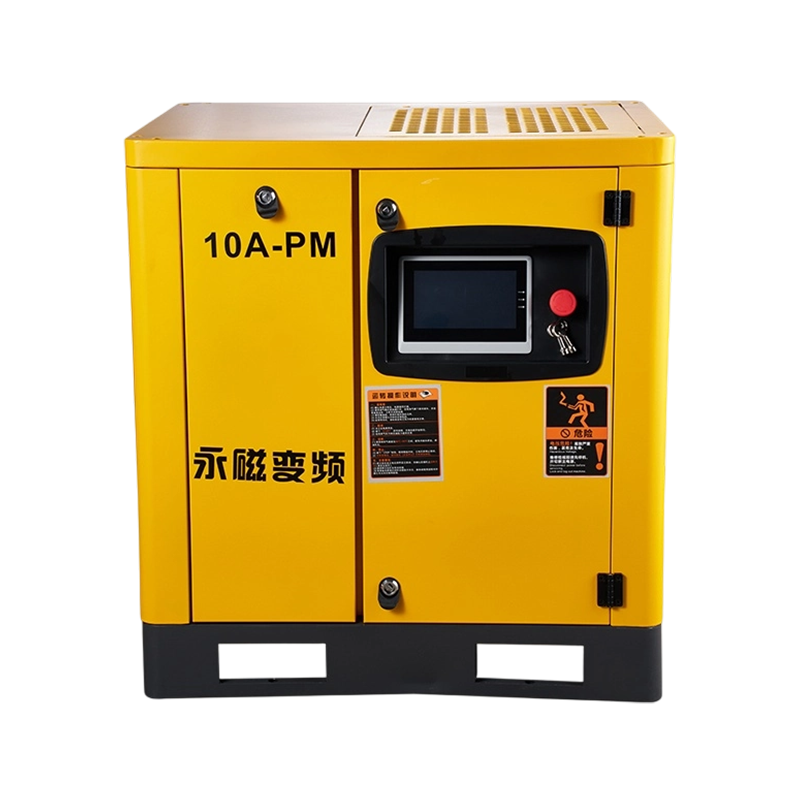
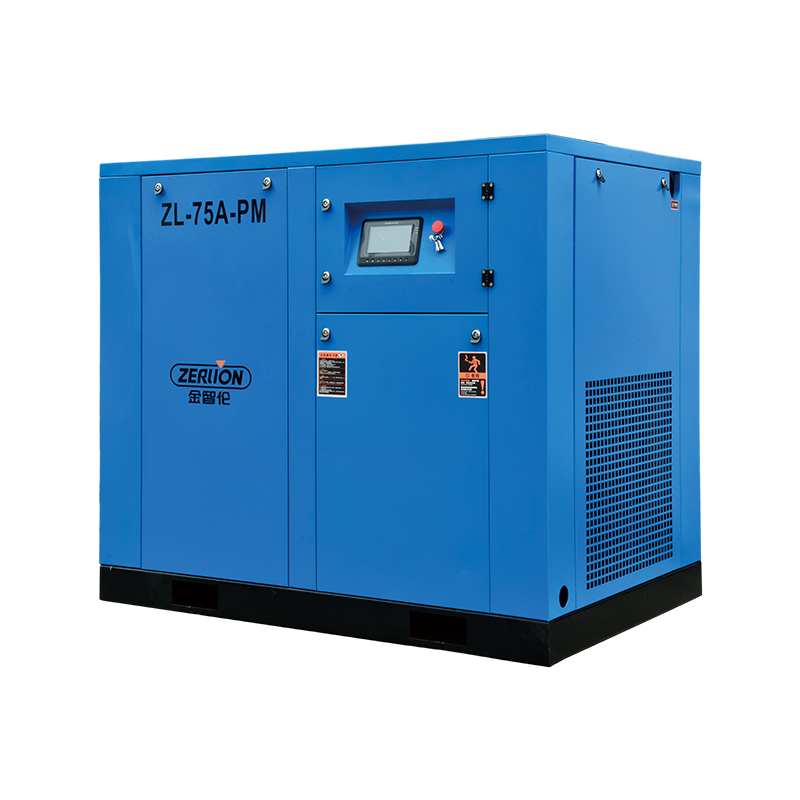
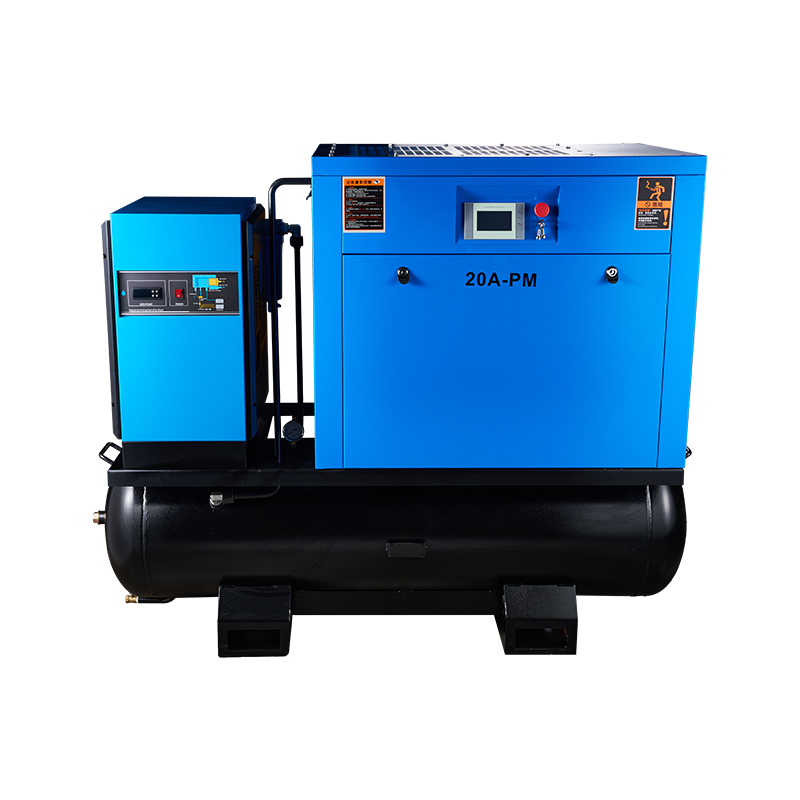
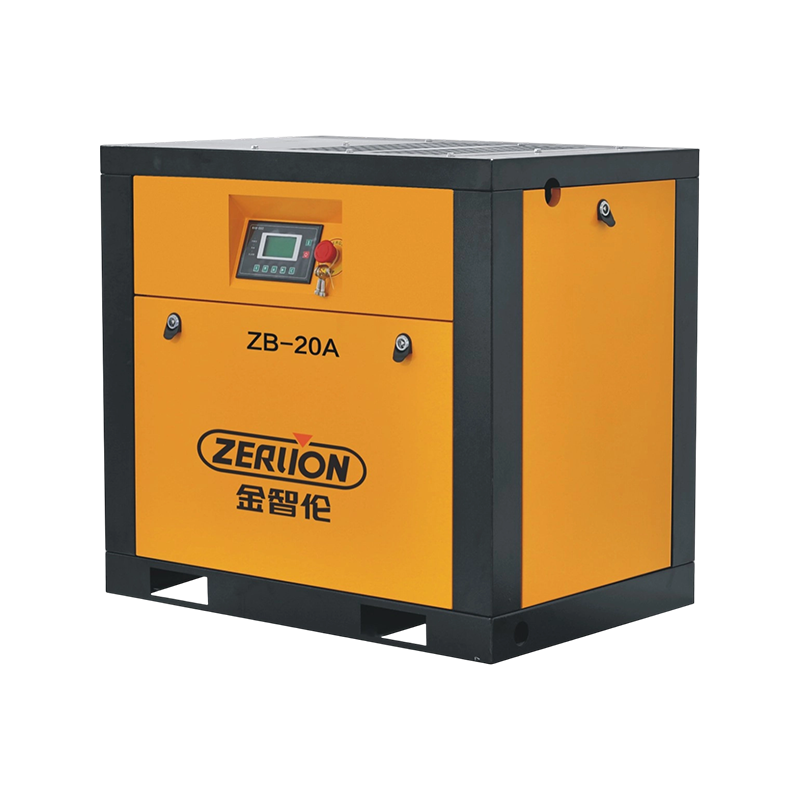
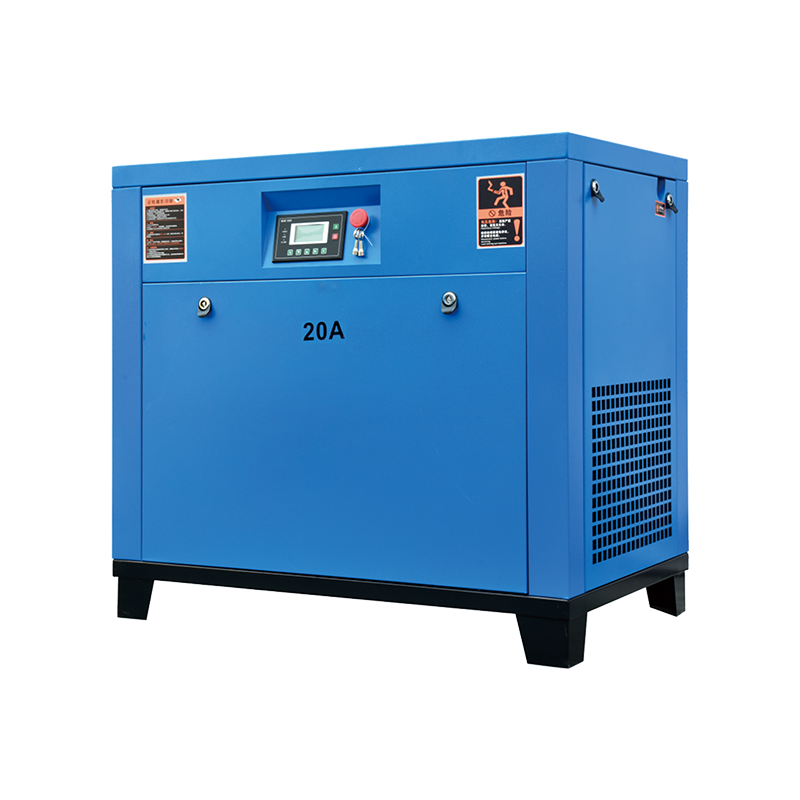
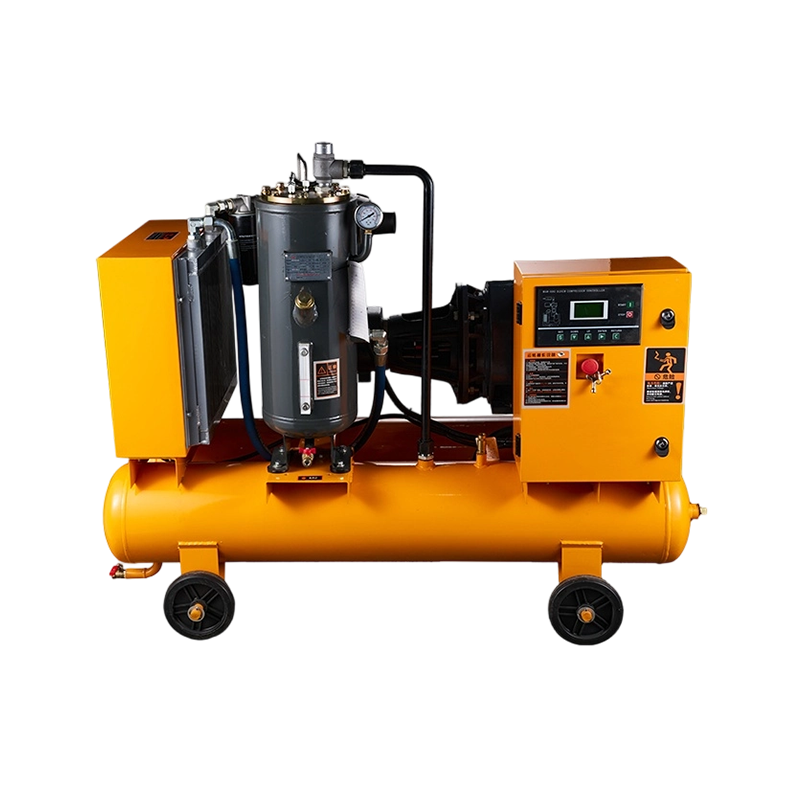
Packaged units — compressor, motor, drive, cooler, and controls on a shared baseplate — are the standard format for industrial buyers and keep installation straightforward. Bare screw elements are available separately for OEM integration or for replacing worn airends in existing compressor packages.
 View More
 View More
 View More
 View More
 View More
 View More
 +86-576-8262 1313
 +86-576-8262 1216
 +86-13867656789
 +86-13867656789
Xiayun Village, Hengjie Town, Luqiao District, Taizhou City Zhejiang Province, China

Copyright © Zhejiang Zhilun Mechanical & Electrical Co., Ltd. All Rights Reserved.
Air Compressor Factory

 English
 русский
 Français
 Español
 Português
