
Compressed air runs quietly in the background of countless factories, workshops, and production lines, yet almost nothing on the floor keeps moving without it. Behind every reliable air supply is a screw air compressor manufacturer whose engineering choices, component sourcing, and assembly standards determine how that equipment actually performs once it's installed and running day after day.
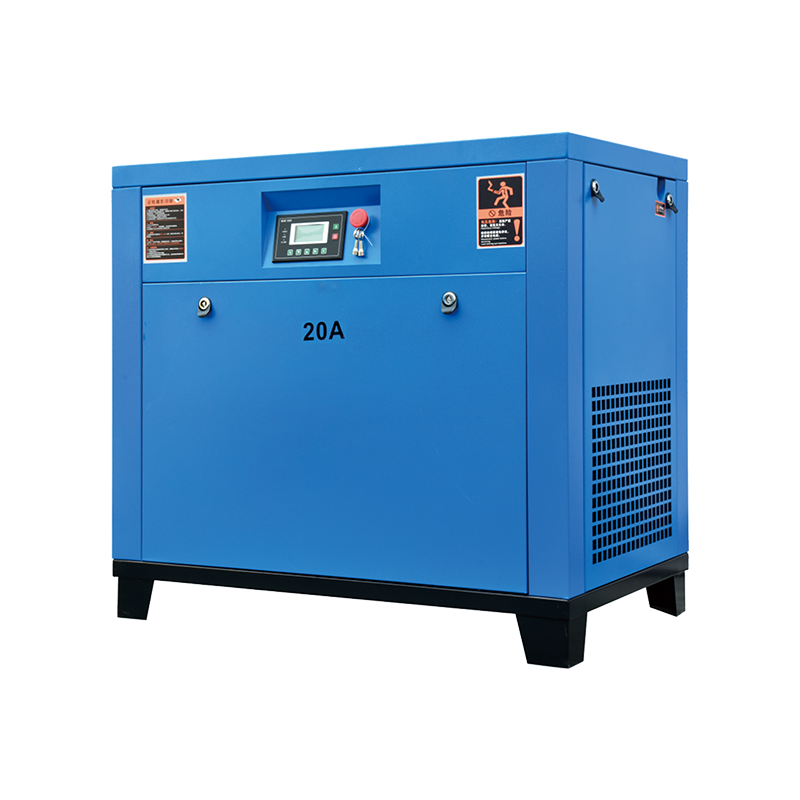
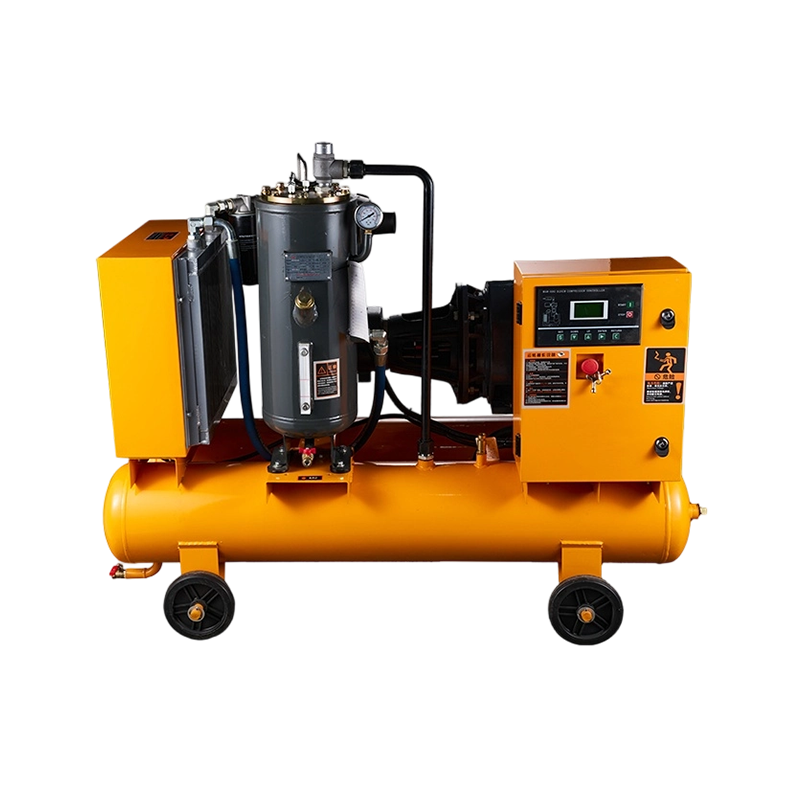
A rotary screw compressor looks straightforward from the outside: a motor, a set of rotors, an air end, and a control panel. But the way those parts are matched together is where a screw air compressor manufacturer earns its reputation. Rotor design, casing tolerances, and cooling layout all interact, and small differences in how these elements are engineered can show up later as noise, heat buildup, or uneven airflow under load.
Buyers evaluating a screw air compressor manufacturer often look past the spec sheet and ask about the manufacturing process itself. Machining precision on the rotors, for instance, affects how tightly the air end seals, which in turn influences how efficiently the compressor converts motor power into usable compressed air.
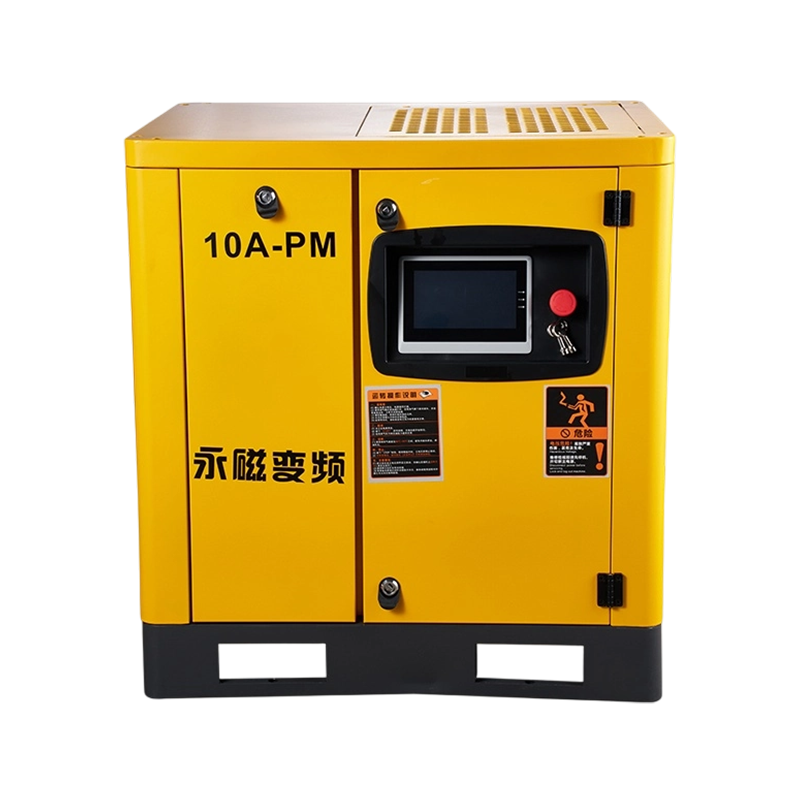
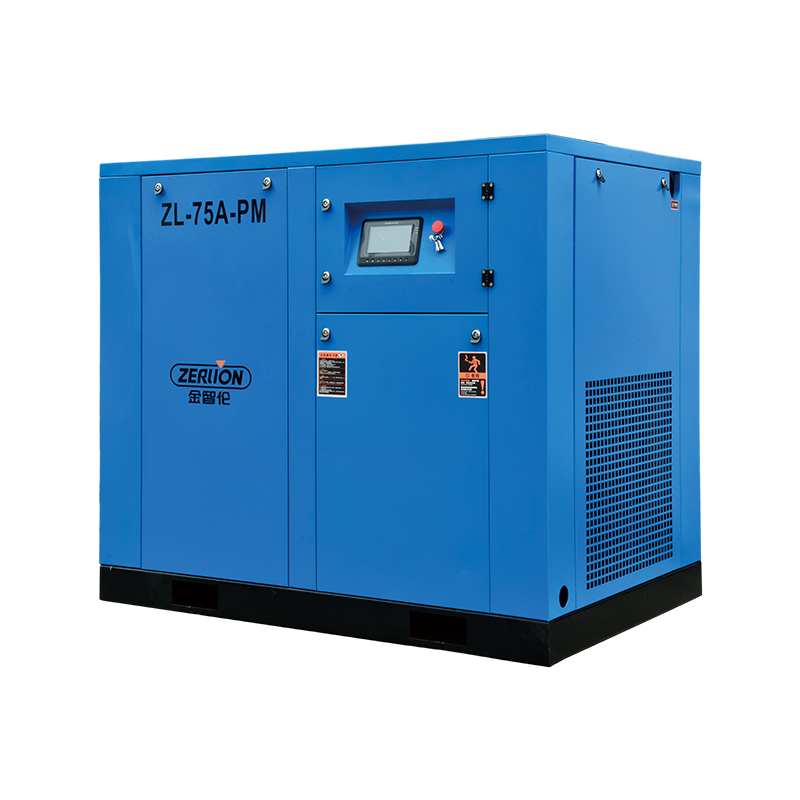
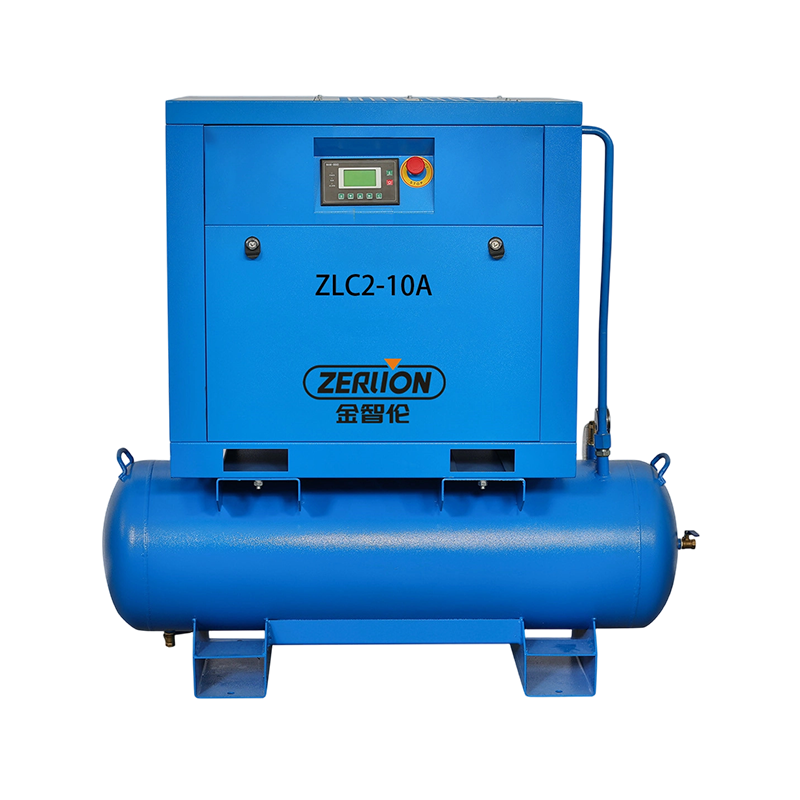
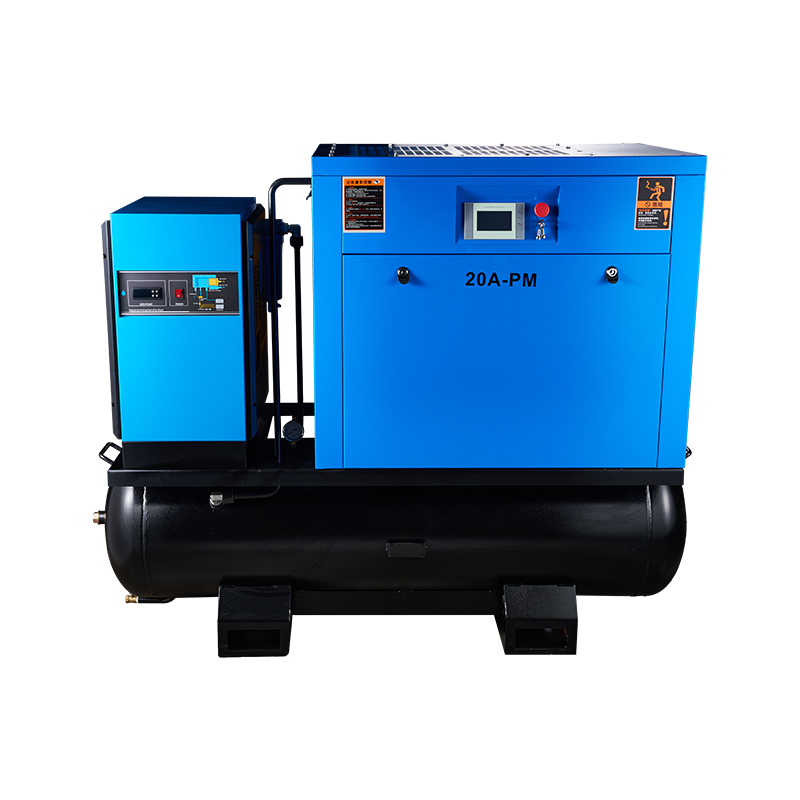
Not every facility needs the same compressor setup. A small workshop running a handful of pneumatic tools has very different demands than a manufacturing plant powering multiple production lines around the clock. A capable screw air compressor manufacturer typically offers a range of configurations rather than a single fixed model, allowing buyers to match airflow capacity and pressure output to their actual usage patterns.
A few practical questions tend to guide this matching process:
Getting these answers right before placing an order helps avoid situations where equipment is either straining to keep up or running well below its working range.
The internal components inside a rotary screw compressor, bearings, seals, control electronics, and the air end itself, all contribute to how the unit behaves over time. A screw air compressor manufacturer that sources these components carefully and tests them under load before shipping tends to produce equipment that starts up consistently and holds steady output without unexpected drops in performance.
Control systems have also become a bigger part of the conversation. Many compressors now include electronic panels that monitor pressure, temperature, and load in real time, adjusting motor speed to match demand rather than running at a fixed rate constantly. This kind of variable-speed operation can reduce wasted energy during periods of lower demand, which matters for facilities trying to keep electricity use proportional to actual output.
For companies sourcing compressed air equipment, working with a screw air compressor manufacturer directly, rather than through several layers of resellers, often means clearer communication about specifications, lead times, and configuration options. It also tends to simplify the process of getting technical questions answered before a purchase decision is finalized, since inquiries go straight to people familiar with how the equipment is actually built.
Industry sectors relying on this kind of equipment vary widely, from food processing and textile production to automotive assembly and general manufacturing. Each sector places slightly different demands on air quality, pressure stability, and noise levels, which is part of why compressor lineups from a given manufacturer often include multiple horsepower ranges and cooling configurations rather than one universal design.
 View More
 View More
 View More
 View More
 View More
 View More
 +86-576-8262 1313
 +86-576-8262 1216
 +86-13867656789
 +86-13867656789
Xiayun Village, Hengjie Town, Luqiao District, Taizhou City Zhejiang Province, China

Copyright © Zhejiang Zhilun Mechanical & Electrical Co., Ltd. All Rights Reserved.
Air Compressor Factory

 English
 русский
 Français
 Español
 Português
