
Not every job site has the luxury of a wall outlet and a fixed compressor room. Some of the work that keeps economies running happens in places where the nearest power grid is a long drive away — remote pipeline corridors, open-cut mine benches, highway construction stretches that move forward by the kilometer. In those settings, compressed air doesn't arrive through a pipe in the wall. It shows up on a trailer, and it had better be ready to work the moment it does. That's the environment mobile integrated screw compressors were built for, and it's why the equipment category has attracted serious attention from industries that operate well outside the reach of fixed infrastructure.
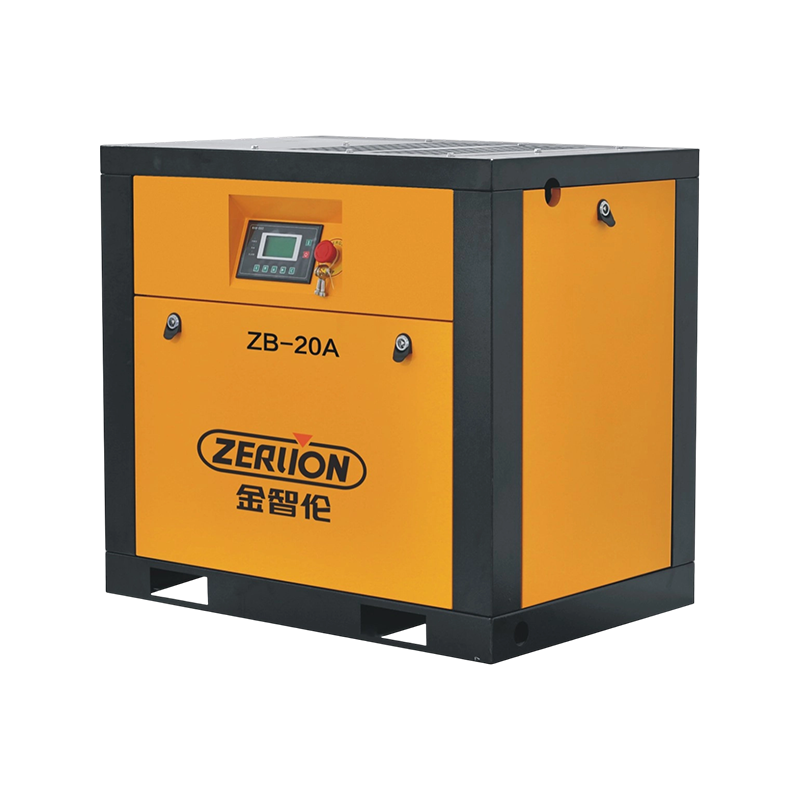
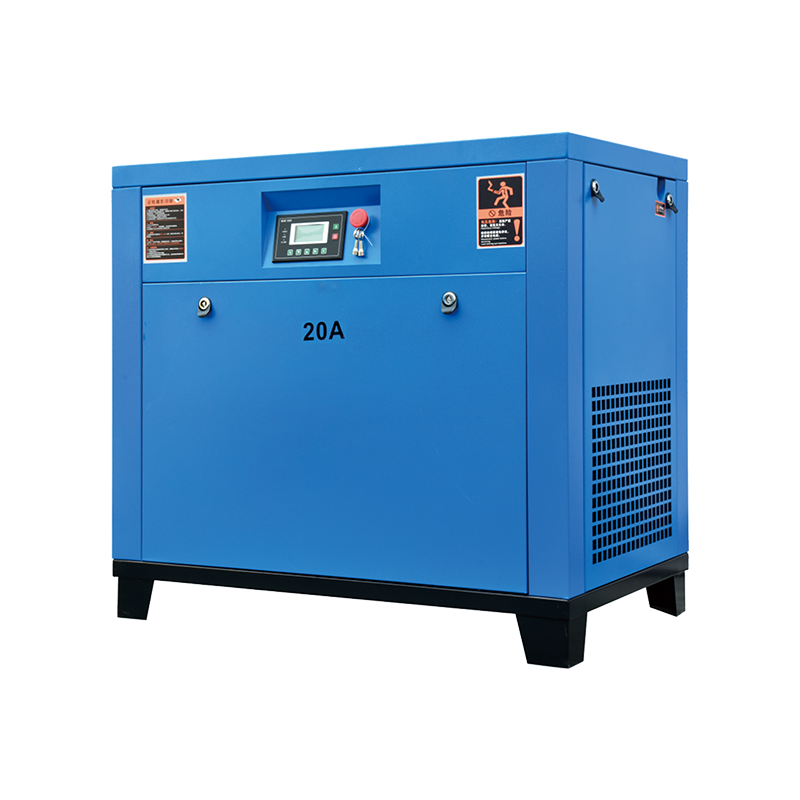
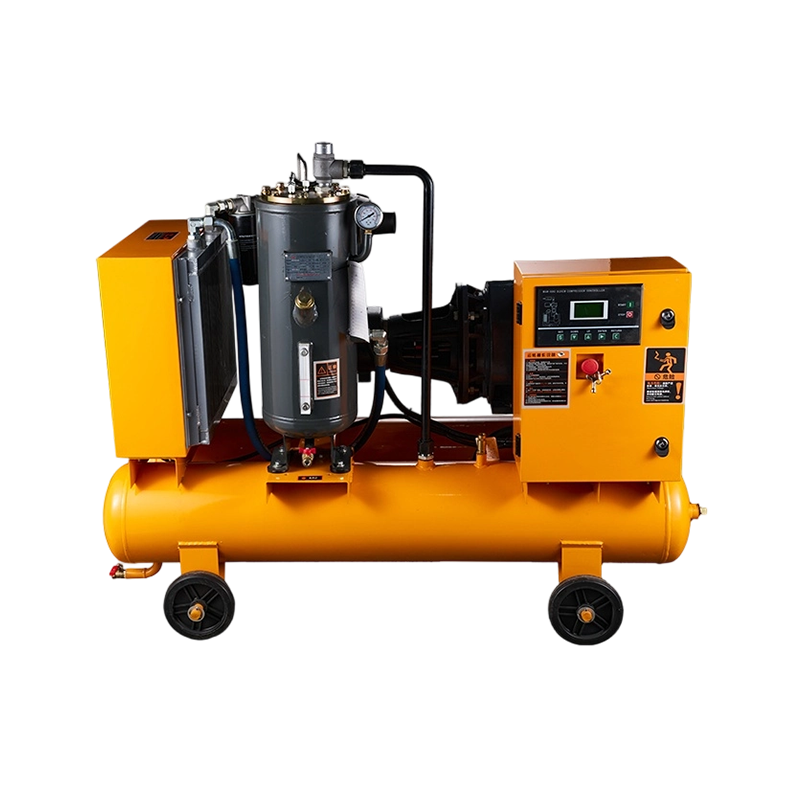
Older approaches to mobile compressed air often involved hauling separate components to site — the compressor head, the motor, the cooling system, the separation equipment — and assembling or connecting them before work could start. That process took time, required people who knew what they were doing, and introduced multiple connection points where things could go wrong. Packaging the airend, drive motor, oil separation system, cooling circuit, and control panel into a single enclosed unit on a trailer or skid frame cut through most of that complexity. Tow it out, hook up the air lines, start it up. That's a different operational reality than what came before.
The underlying compression technology is a mature one. Two helical rotors mesh and turn inside a close-tolerance housing, drawing in air at one end and pushing it out the other in a continuous flow. That continuous delivery distinguishes screw compressors from reciprocating piston designs, which produce air in pulses. For tools and processes that are sensitive to pressure variation — certain types of drilling equipment, spray applications, some testing procedures — the steadier output matters in practice, not just on paper. Oil-injected versions flood the compression chamber with oil to handle sealing, lubrication, and heat removal simultaneously, then strip the oil back out before the air reaches the delivery point. Oil-free designs achieve separation through tighter mechanical tolerances and are specified where air contamination genuinely cannot be tolerated.
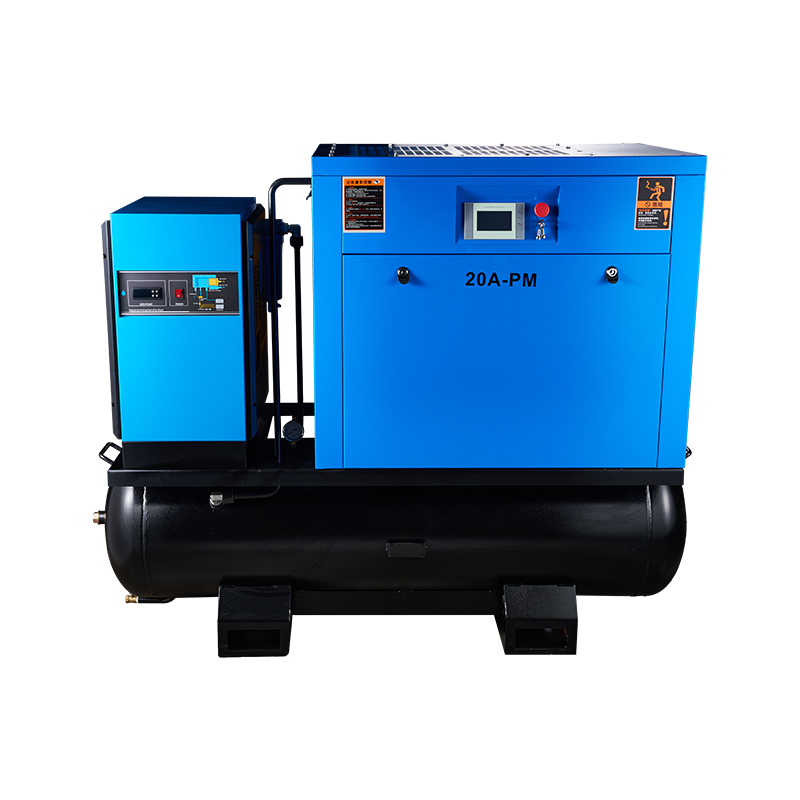
Construction sites consume a large share of what the mobile screw compressor market produces. Pneumatic breakers, down-the-hole drills, abrasive blasting rigs, and spray equipment all need a reliable air supply, and a properly sized mobile unit can run an entire crew's tool complement without anyone waiting on pressure. The ability to unhook and reposition as the work front advances — something that happens constantly on road and rail projects — is not a minor convenience. It's a core part of why contractors specify mobile units rather than trying to work around a fixed installation.
Fuel consumption has entered the conversation more directly than it used to, especially in discussions surrounding Mobile Integrated Screw Compressors. Variable speed drives that match motor output to actual air demand, rather than running full speed and wasting the surplus, have become more accessible as component costs have come down. On a long project with variable daily demand cycles, the cumulative fuel savings can justify the additional upfront cost without much difficulty.
 View More
 View More
 View More
 View More
 View More
 View More
 +86-576-8262 1313
 +86-576-8262 1216
 +86-13867656789
 +86-13867656789
Xiayun Village, Hengjie Town, Luqiao District, Taizhou City Zhejiang Province, China

Copyright © Zhejiang Zhilun Mechanical & Electrical Co., Ltd. All Rights Reserved.
Air Compressor Factory

 English
 русский
 Français
 Español
 Português
