
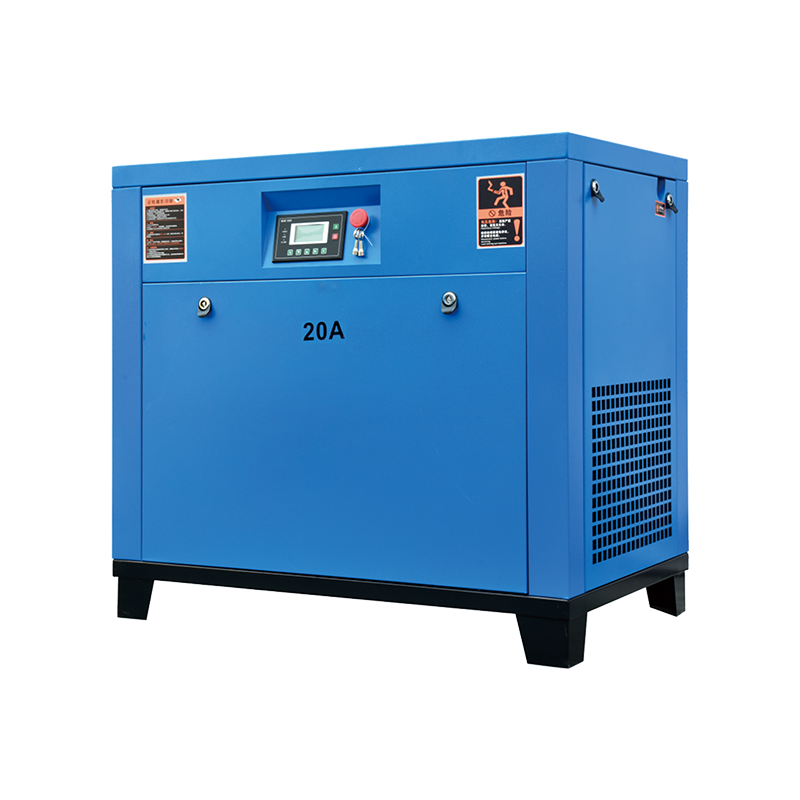
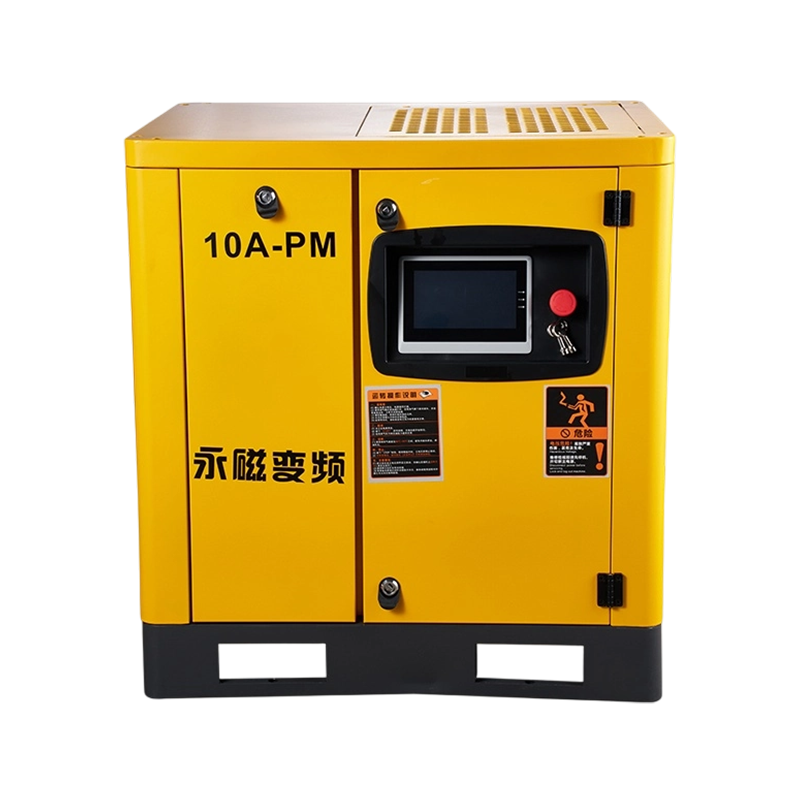
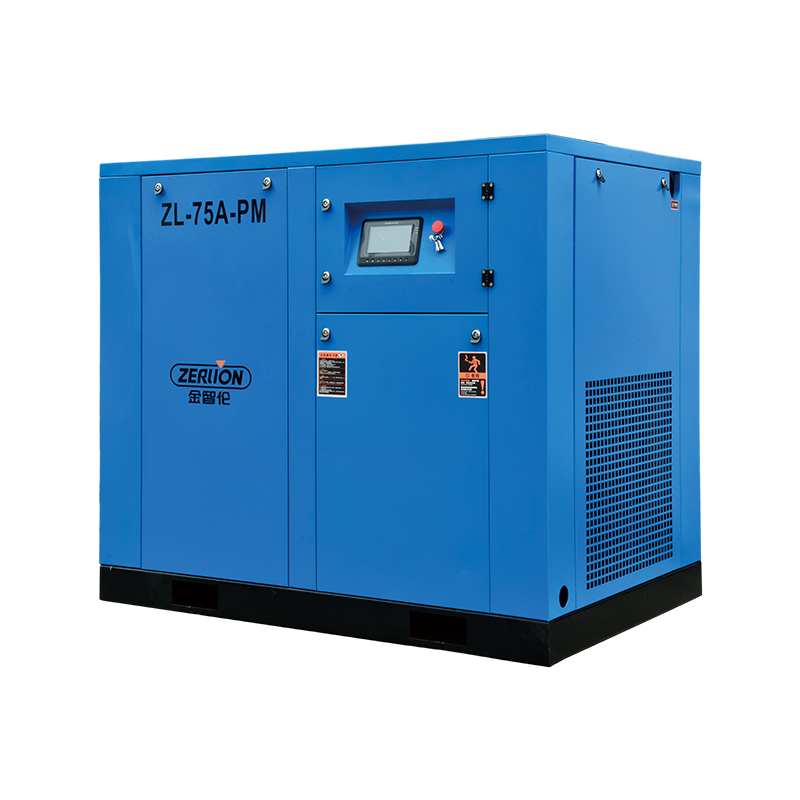
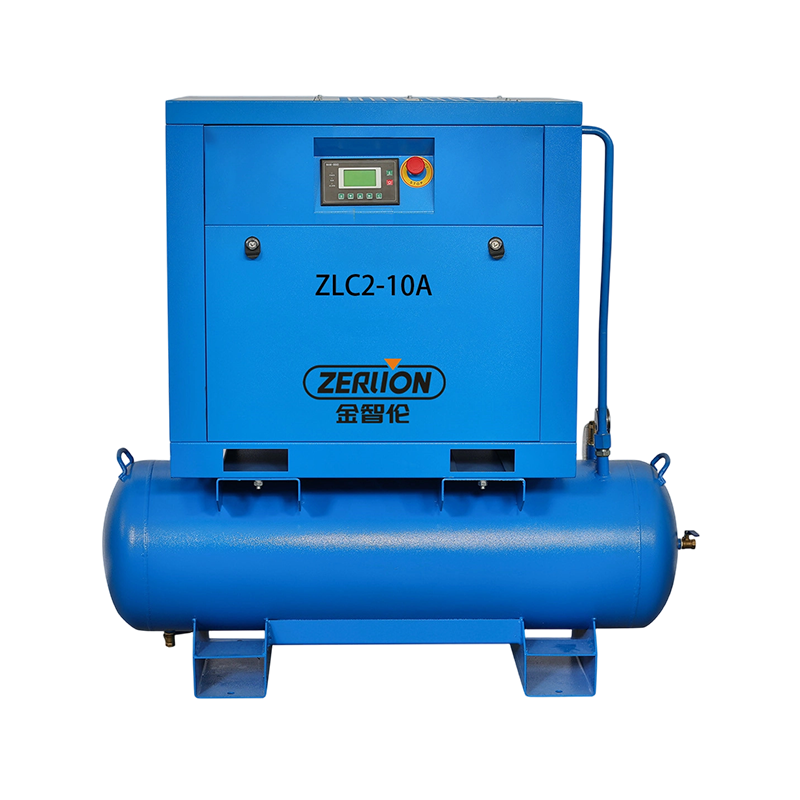
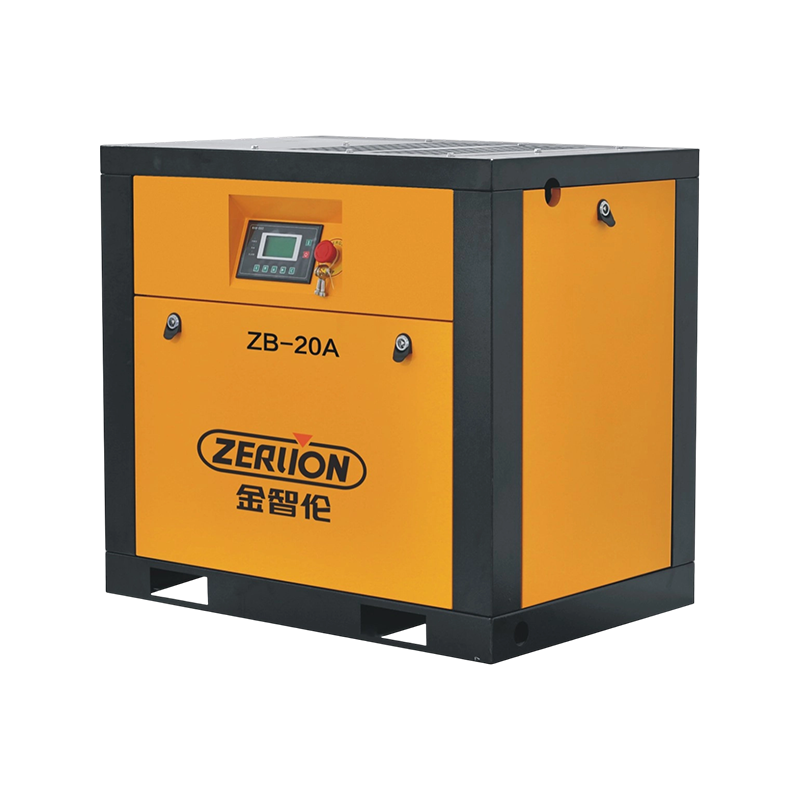
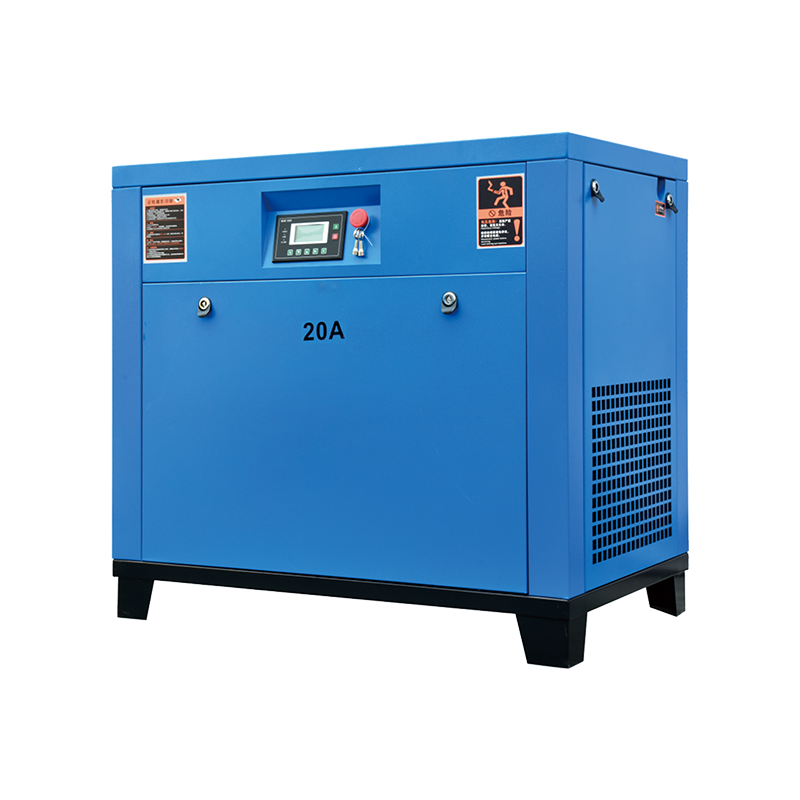
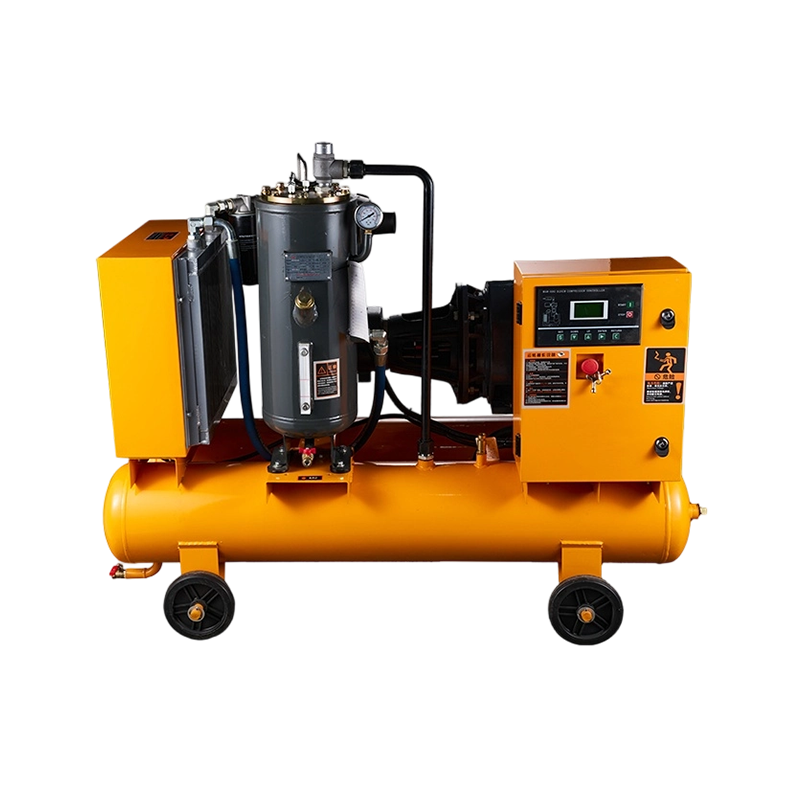
The technology that changed the calculation on screw compressor efficiency is the variable speed drive — VSD, sometimes called a variable frequency drive or VFD. In modern Energy-Saving Screw Compressors, a VSD adjusts the motor speed in real time to match actual compressed air demand. When demand is low, the motor slows down. When demand rises, it speeds up. Instead of running at a constant output regardless of system needs, the compressor delivers only the air required at that moment, reducing wasted energy and improving overall operating efficiency.
The energy savings that follow from this are meaningful. Motor power consumption scales roughly with the cube of its speed — cutting motor speed by 20 percent doesn't reduce power draw by 20 percent, it reduces it by considerably more. In practice, facilities switching from fixed-speed to VSD screw compressors commonly report energy reductions in the 20 to 40 percent range on their compressed air systems, depending on how variable their demand profile actually is.
The savings are more pronounced in operations with significant demand variation across a shift or workweek. A facility running near-constant demand will see less benefit from VSD than one with pronounced peaks and troughs.
Compression generates heat — a lot of it. In a standard screw compressor, the heat produced during compression is simply exhausted to atmosphere via cooling systems. It disappears without doing useful work.
Energy-saving screw compressors increasingly incorporate heat recovery systems that redirect that thermal output. The recovered heat can be used to warm process water, contribute to space heating in the facility, or feed into other thermal applications that would otherwise require separate energy input. In facilities with genuine thermal demand, a properly integrated heat recovery setup can offset a meaningful portion of the compressor's running costs — sometimes recouping 70 to 80 percent of the input energy as usable heat rather than waste.
It's a dimension of compressor energy performance that doesn't always appear in the headline efficiency numbers, but makes a tangible difference to the total energy picture when it's factored in.
One efficiency factor that sits outside the compressor itself — but affects its energy consumption directly — is system pressure. Many compressed air networks operate at pressures higher than their actual applications require. The overpressure often develops gradually over time as equipment gets added, leaks develop, or pressure drop across aging pipework increases, and the system pressure gets turned up to compensate.
Every additional bar of system pressure above what's actually needed costs energy. A rough rule of thumb in compressed air engineering is that each 1 bar increase in delivery pressure raises compressor energy consumption by around 7 percent. Energy-saving screw compressors with integrated pressure management controls can hold delivery pressure within tighter bands than older fixed-speed units, which helps prevent the creeping pressure inflation that adds unnecessary cost over time.
Undersizing a screw compressor is a problem — the system can't meet demand at peak. Oversizing is a subtler problem, but a real one. A compressor running continuously at a fraction of its rated capacity operates less efficiently than one running closer to its design range. VSD compressors handle this better than fixed-speed units, but there are still limits to how far down a compressor should be throttled before efficiency drops off sharply.
A compressed air audit — mapping actual demand across a representative production period — is the practical starting point for specifying Energy-Saving Screw Compressors. It turns the selection process from a rough estimate into a decision grounded in real operating data. In many cases, the audit also reveals system inefficiencies such as pressure drops, air leaks, or oversized equipment that can be corrected independently of the compressor replacement itself, further improving energy performance and long-term operating costs.
 View More
 View More
 View More
 View More
 View More
 View More
 +86-576-8262 1313
 +86-576-8262 1216
 +86-13867656789
 +86-13867656789
Xiayun Village, Hengjie Town, Luqiao District, Taizhou City Zhejiang Province, China

Copyright © Zhejiang Zhilun Mechanical & Electrical Co., Ltd. All Rights Reserved.
Air Compressor Factory

 English
 русский
 Français
 Español
 Português
