
Compressed air systems are widely used in manufacturing facilities, where pneumatic tools, automated machinery, and production equipment depend on a stable air supply. However, producing compressed air is only one part of the process. Air may also need to pass through cooling, moisture separation, and filtration stages before entering the production line. This is where a Combined screw air compressor offers a practical equipment configuration for industrial users.
A conventional screw air compressor mainly focuses on generating compressed air. Additional equipment may be required to remove moisture, separate condensate, and improve air cleanliness according to the intended application.
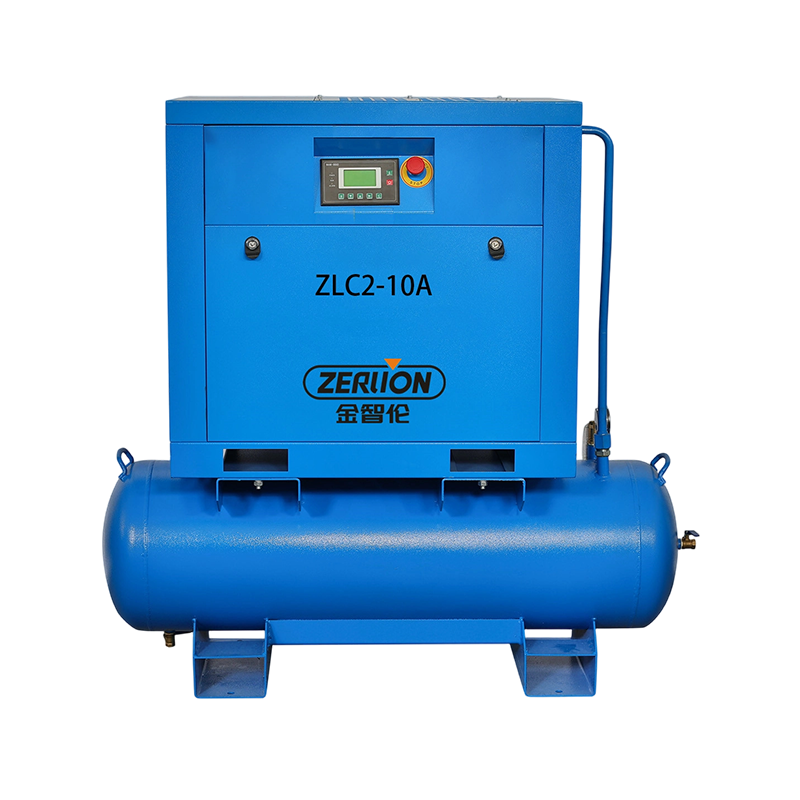
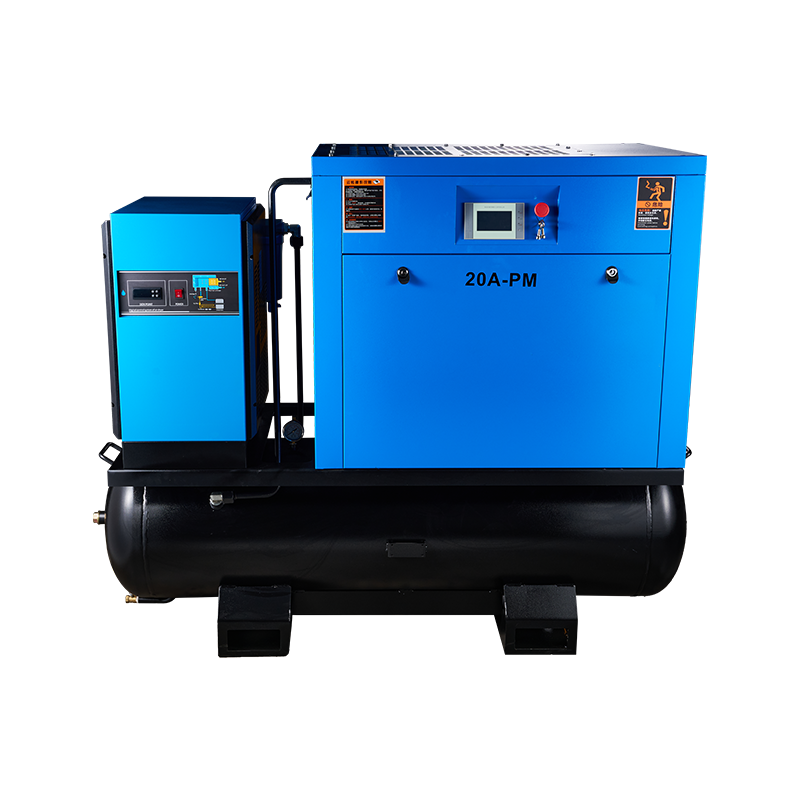
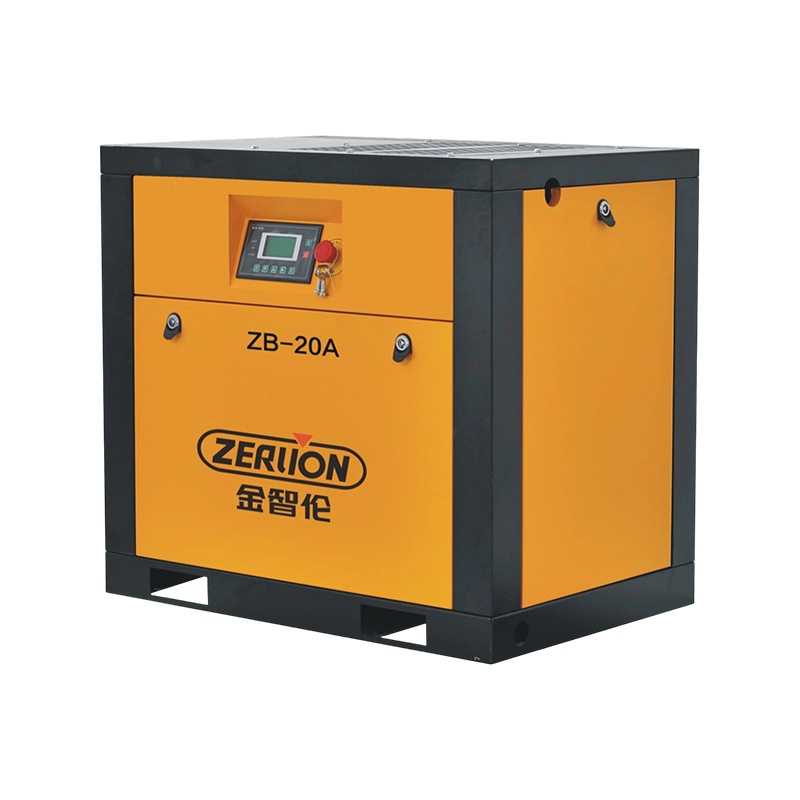
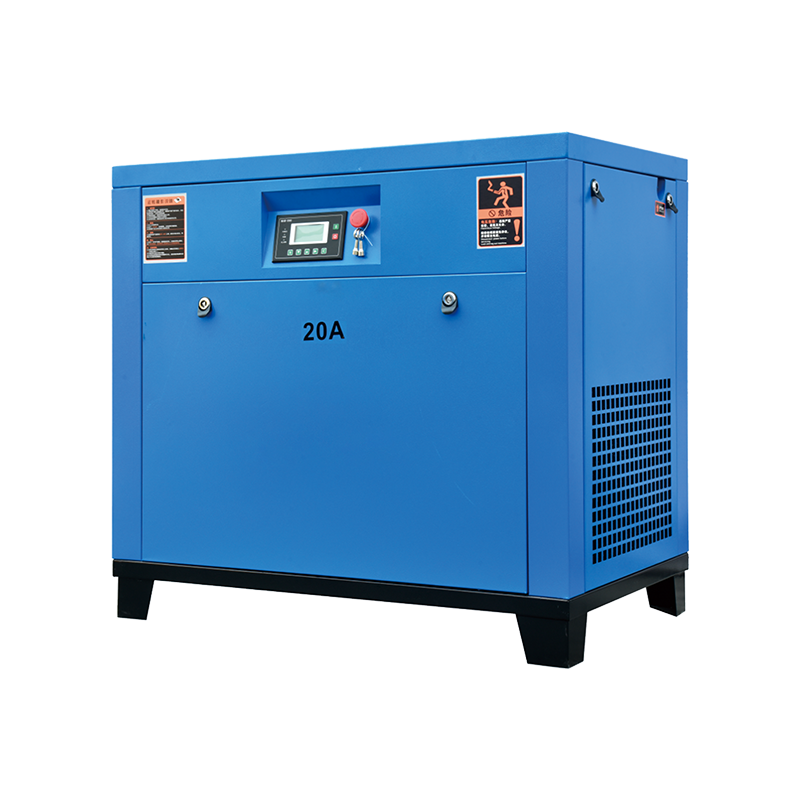
A Combined screw air compressor brings several of these functions together within one equipment arrangement. A typical configuration may include:
The exact combination depends on the manufacturer's product design. Some models may integrate additional treatment components, while others use a more basic arrangement.
This integrated approach allows users to obtain compressed air generation and selected treatment functions from a coordinated equipment package.
After air enters the compressor, it passes through the screw compression chamber, where its pressure increases. During this process, the air temperature also rises.
The compressed air then moves into the cooling and separation stages. As the air temperature decreases, part of its moisture condenses into liquid water. A moisture separator helps remove this condensed water before the air enters subsequent treatment equipment.
In configurations that include a refrigerated dryer, the air undergoes further cooling to reduce its moisture content. Filters can then remove selected particles and other contaminants, depending on their design and filtration grade.
The storage tank serves another function. It provides a buffer between air generation and consumption, helping the system respond to short-term changes in demand.
For buyers comparing a Combined screw air compressor, understanding this operating sequence makes it easier to distinguish between different integrated configurations.
The combination of compressed air generation and treatment functions makes this equipment relevant to factories that need a coordinated air supply arrangement.
Common applications include:
A Combined screw air compressor may be particularly relevant to facilities where installation space is limited or where buyers prefer a coordinated equipment package instead of sourcing several independent machines.
Different industrial projects require different equipment arrangements. A small workshop may need a compact package, while a larger production facility may require a higher-capacity compressor with a larger air receiver and additional filtration stages.
Manufacturers may offer customization options involving motor power, working pressure, tank capacity, control panels, equipment dimensions, and external appearance.
OEM services can also include brand logos, nameplates, and customized packaging. For distributors and industrial equipment companies, these options provide flexibility when developing products for different regional markets.
A suitable Combined screw air compressor configuration should reflect the intended production process, available installation space, and compressed air treatment requirements.
 View More
 View More
 View More
 View More
 View More
 View More
 +86-576-8262 1313
 +86-576-8262 1216
 +86-13867656789
 +86-13867656789
Xiayun Village, Hengjie Town, Luqiao District, Taizhou City Zhejiang Province, China

Copyright © Zhejiang Zhilun Mechanical & Electrical Co., Ltd. All Rights Reserved.
Air Compressor Factory

 English
 русский
 Français
 Español
 Português

