
Manufacturing plants, workshops, and construction sites rely on steady compressed air for tools, machinery, and processes. An Air Compressor Factory works as a specialized partner that designs and builds units tailored to these operational demands. The focus stays on matching performance needs, duty cycles, and installation conditions rather than creating off-the-shelf consumer products.
Projects often start when a company shares details about required air flow, pressure levels, and daily operating hours. Engineers at the Air Compressor Factory review these figures alongside available power sources and space constraints. Conversations cover piston or rotary designs, tank sizes, and control systems that fit the client’s existing setup.
Clear documentation of expected load patterns helps refine the selection. A workshop running intermittent tools needs different features from a plant that keeps lines pressurized throughout a shift. These early exchanges reduce the chance of oversized or underpowered equipment arriving on site.
Different sectors place distinct demands on compressed air systems. Automotive repair shops may prioritize compact units that fit limited floor space. Food processing facilities often require oil-free models to protect product integrity. Fabrication yards value robust frames that handle dusty or outdoor conditions.
An Air Compressor Factory organizes its engineering knowledge so that proven configurations can be adapted for each environment. Past project records allow faster responses when similar requirements appear. Clients benefit from this accumulated experience without needing to restart every design from zero.
Many orders build on established base models that already meet common pressure and volume ranges. From there, options such as specialized filtration, remote monitoring ports, or alternative mounting arrangements can be added. This approach keeps lead times manageable while still addressing unique site conditions.
When a full custom design is necessary, the Air Compressor Factory allocates dedicated engineering time to validate performance calculations and component compatibility. Prototype testing or detailed simulations sometimes follow, giving both sides confidence before full production begins.
Compressed air systems rarely work in isolation. They connect to distribution piping, dryers, and point-of-use tools already in place. Teams discuss inlet filtration needs, outlet connection standards, and control interfaces that align with the client’s automation systems.
Practical recommendations about placement—vibration isolation, ventilation clearances, and access for routine checks—help the receiving facility prepare the installation area. The goal is a unit that settles into daily operations with minimal disruption to surrounding workflows.
Successful deliveries depend on steady communication between sales, engineering, and production groups. A designated contact usually manages the account, gathering internal updates and sharing progress with the client. Dimensional drawings, performance data sheets, and packing details travel with each order so the receiving team can plan unloading and positioning.
An Air Compressor Factory treats these documents as essential parts of the service. Consistent formatting and timely delivery reduce extra verification work once the equipment reaches the customer’s location.
Longer collaborations develop when a company returns for additional units or capacity expansions. Shared understanding of preferred control logic, noise considerations, or service access points shortens future quoting cycles. Forecast information about upcoming projects allows the factory to align its own scheduling.
In return, clients gain clearer visibility into realistic timelines. This mutual planning supports steadier project execution on both sides.
An Air Compressor Factory contributes to industrial productivity by focusing on precise performance matching, adaptable design options, and reliable coordination. Through technical dialogue and attention to real operating conditions, it helps other businesses maintain the compressed air supply their processes require. The work centers on solving practical engineering and logistical needs that keep tools and machinery running as expected.
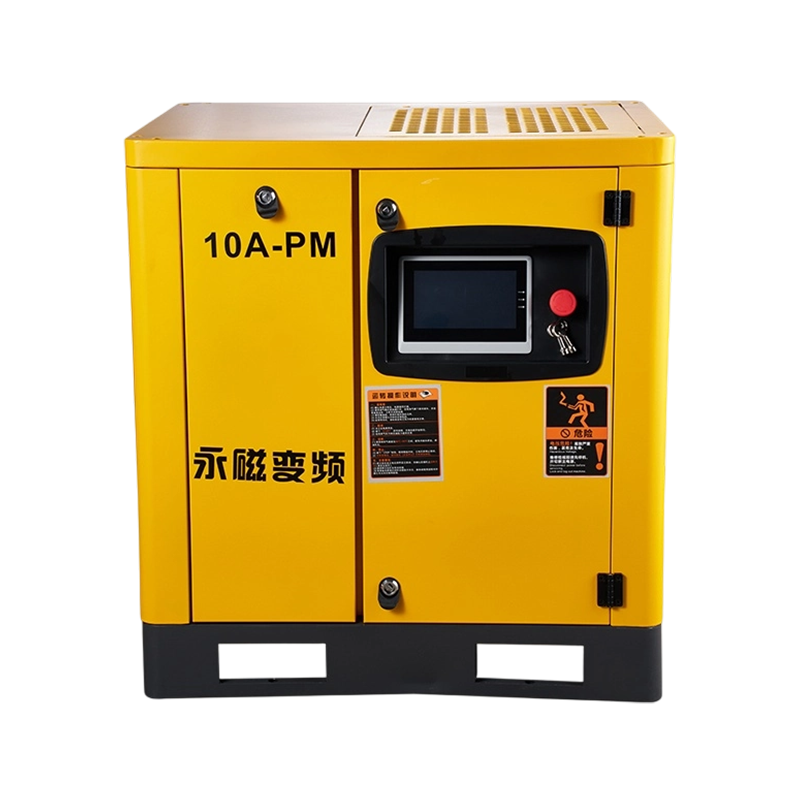 View More
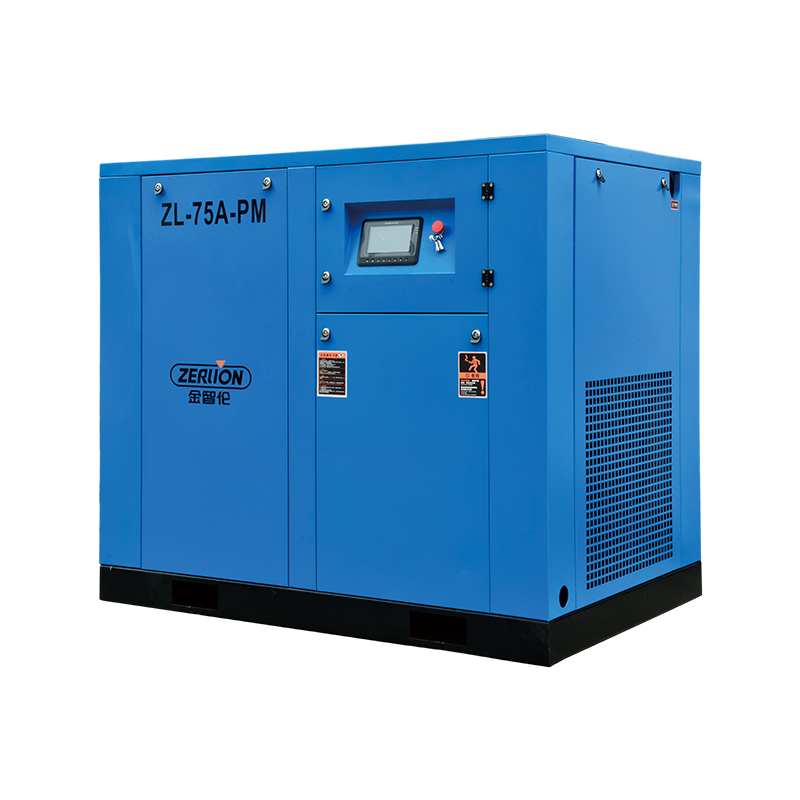 View More
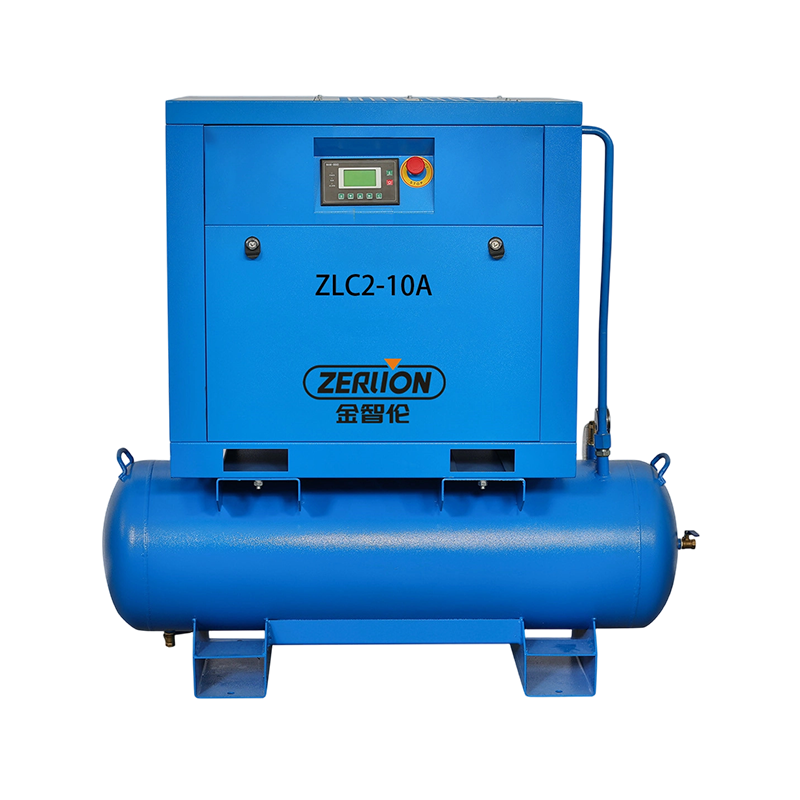 View More
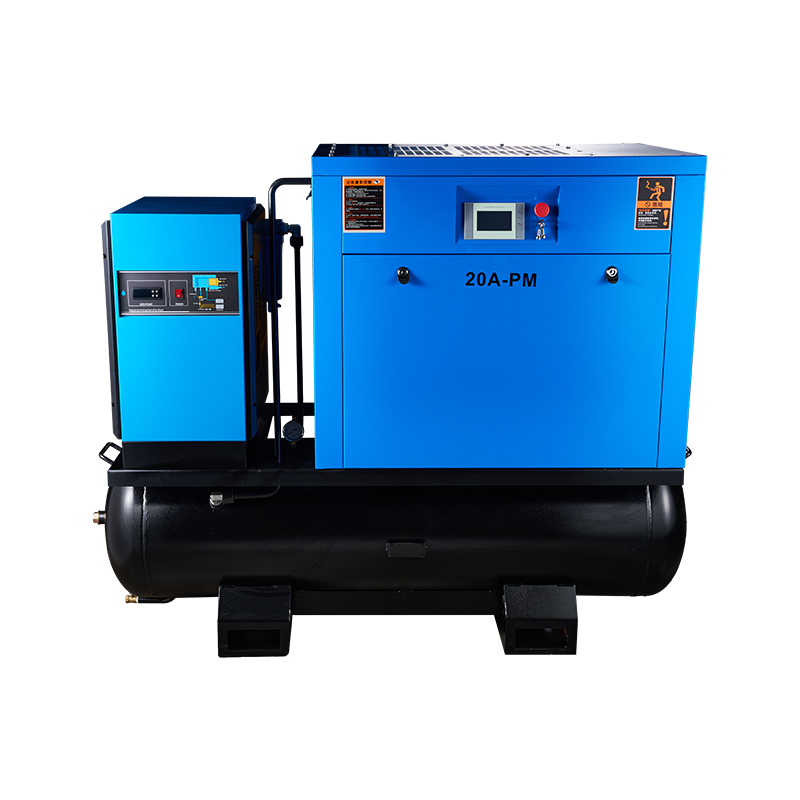 View More
 View More
 View More
 +86-576-8262 1313
 +86-576-8262 1216
 +86-13867656789
 +86-13867656789
Xiayun Village, Hengjie Town, Luqiao District, Taizhou City Zhejiang Province, China

Copyright © Zhejiang Zhilun Mechanical & Electrical Co., Ltd. All Rights Reserved.
Air Compressor Factory

 English
 русский
 Français
 Español
 Português
