
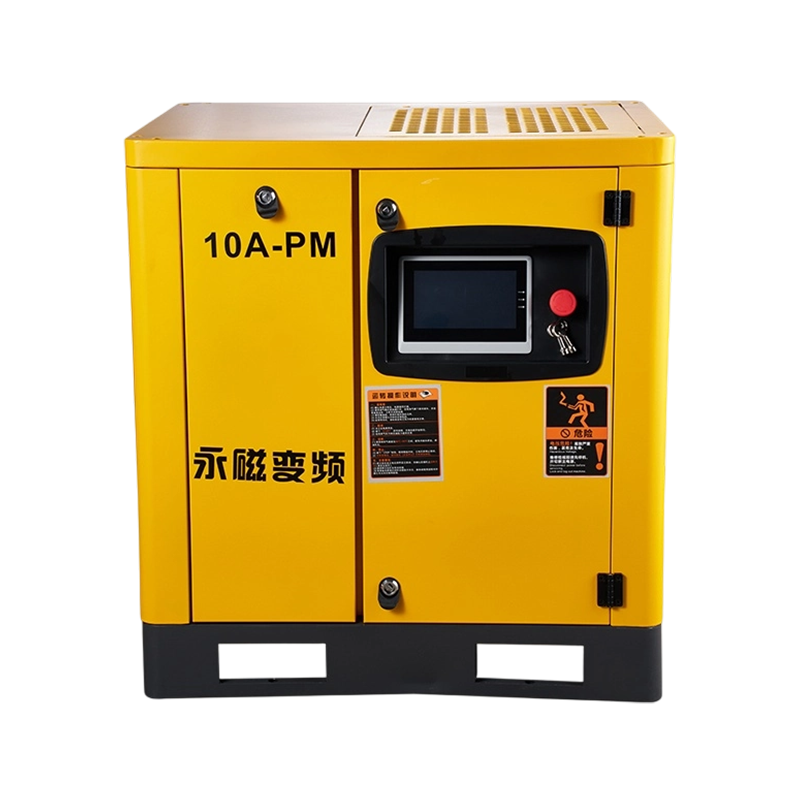
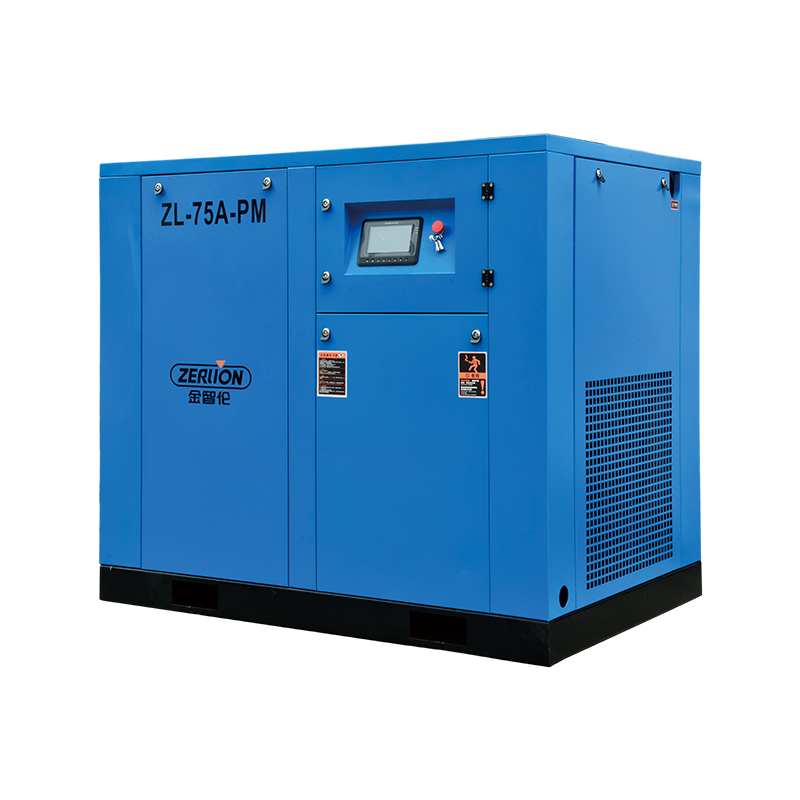
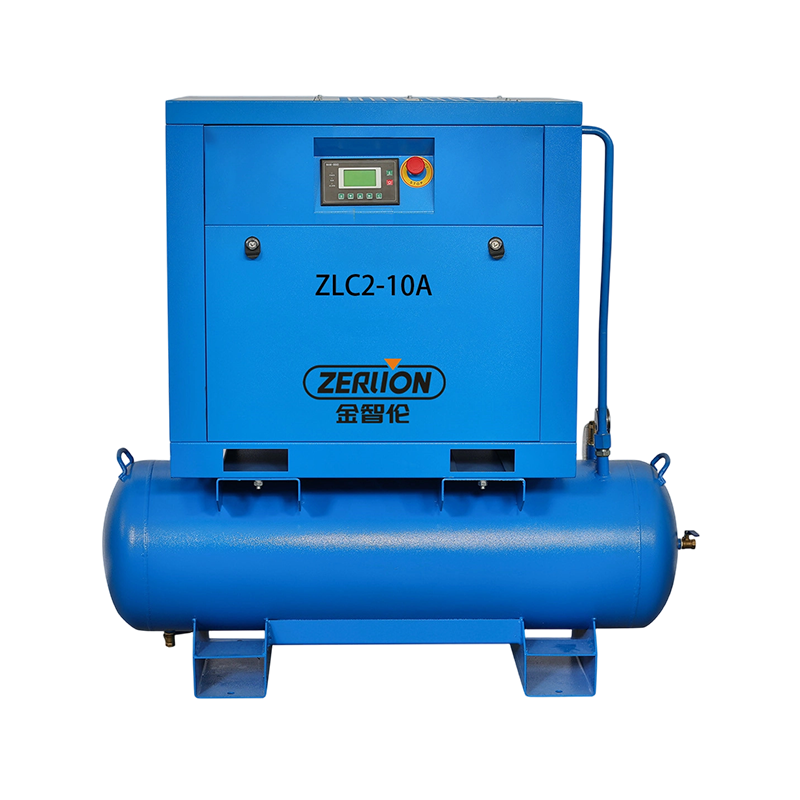
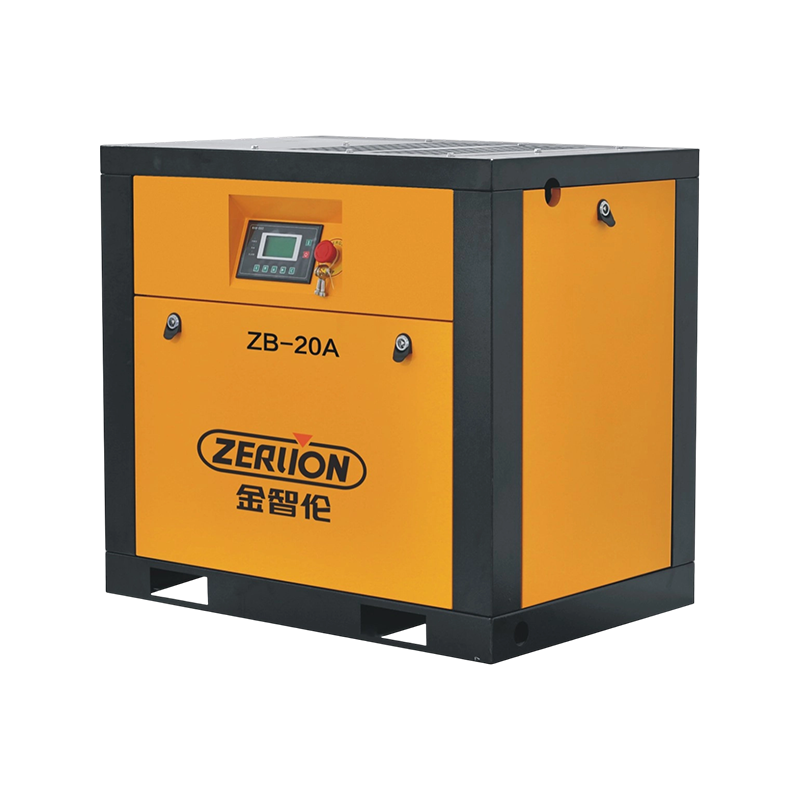
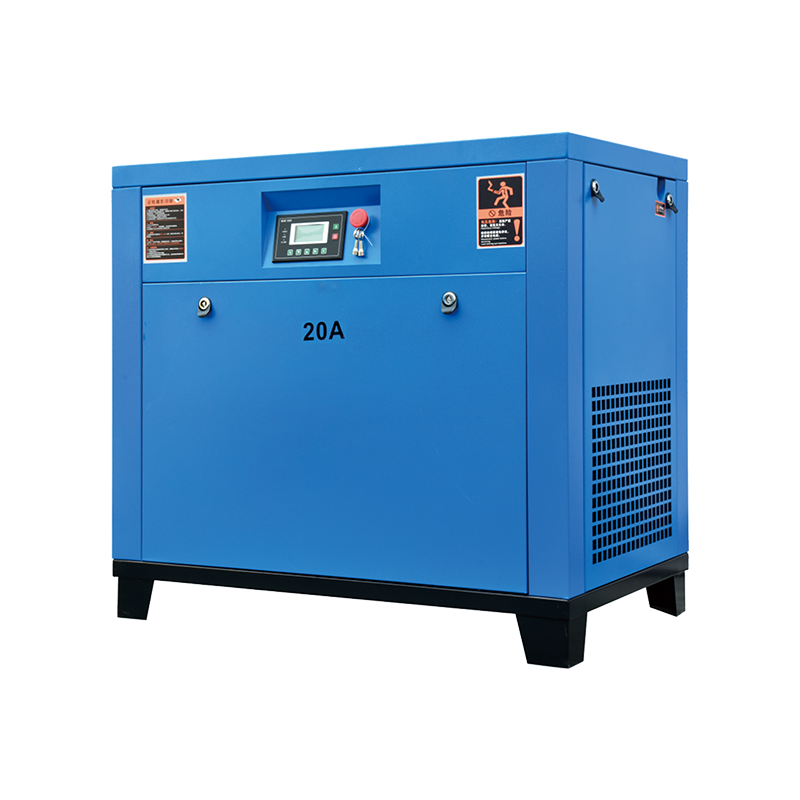
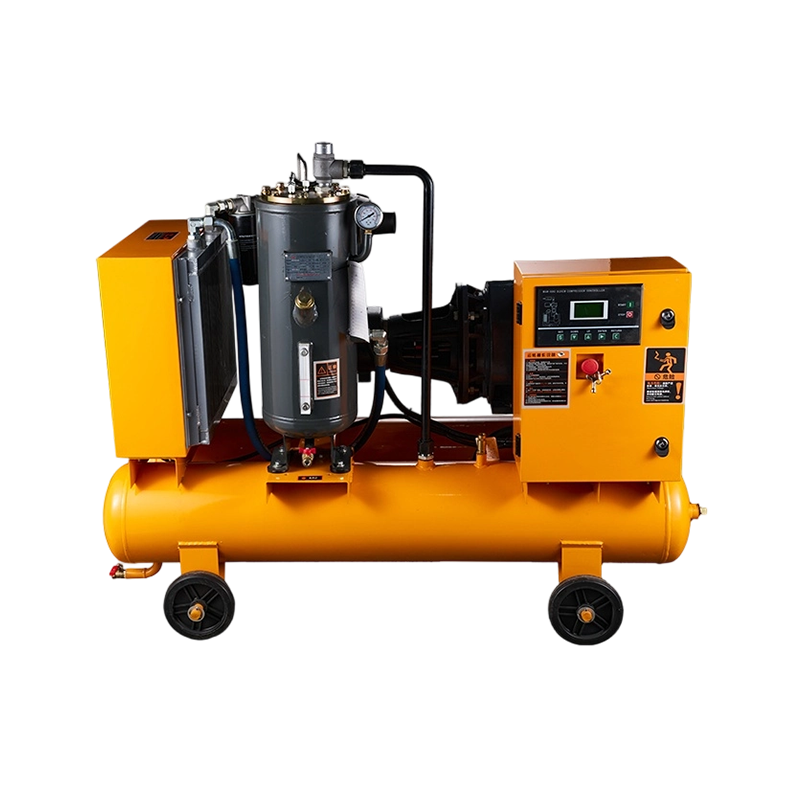
Compressed air supports a wide range of industrial activities, from powering pneumatic tools to operating automated production equipment. In many factories, a stable air supply is part of the daily workflow, influencing how machines operate and how production tasks are coordinated. Choosing a suitable Screw air compressor therefore involves more than checking the equipment's rated power. Businesses also need to consider air consumption, operating patterns, pressure requirements, and the number of machines connected to the system.
Unlike equipment intended for occasional use, industrial compressors often need to supply air throughout extended production periods. This makes compressor design and capacity important considerations for manufacturing facilities, processing plants, and industrial workshops.
A screw compressor uses two intermeshing rotors to compress air inside a dedicated compression chamber. As the rotors turn, air enters the chamber, moves along the rotor profile, and occupies a progressively smaller space. The resulting pressure increase allows compressed air to be delivered to the connected system.
This rotary compression process differs from the reciprocating movement used in piston compressors. The design supports a continuous flow of compressed air, making it suitable for industrial applications where equipment operates for long periods.
A Screw air compressor may use an oil-injected or oil-free compression arrangement. In oil-injected models, oil helps seal the compression chamber, remove heat, and lubricate relevant components. Oil-free designs use a different approach to compression and are considered when the production process has specific air-quality requirements.
The appropriate configuration depends on the working environment and the needs of the equipment receiving the compressed air.
Air demand can vary significantly between production facilities. A workshop operating several pneumatic tools may have a different consumption pattern from an automated assembly line with multiple air-operated devices.
When selecting a Screw air compressor, buyers should identify the total air consumption of connected equipment and determine whether several machines will operate simultaneously. Rated flow and working pressure should be evaluated together rather than as separate specifications.
An undersized compressor may struggle to meet peak demand, while an oversized unit can add unnecessary equipment capacity to the system. Variable-speed models can adjust motor speed in response to changing air demand, depending on the compressor configuration and control system.
For industrial buyers, reviewing actual operating conditions provides a clearer basis for selecting equipment than relying on motor power alone.
Screw compressors serve a variety of industrial applications. In automotive component manufacturing, compressed air can power assembly tools, pneumatic fixtures, and material-handling equipment. In metalworking facilities, it may support air-operated machinery and production-line actuators.
Plastic processing plants can use compressed air for pneumatic controls and auxiliary equipment, while packaging facilities may rely on it to operate cylinders, sorting mechanisms, and automated handling systems. Textile production, woodworking, and general machinery manufacturing also use compressed air in different stages of production.
These applications place different demands on air volume, pressure, and air quality. A Screw air compressor selected for one facility may not match the operating requirements of another, even when both businesses manufacture similar products.
 View More
 View More
 View More
 View More
 View More
 View More
 +86-576-8262 1313
 +86-576-8262 1216
 +86-13867656789
 +86-13867656789
Xiayun Village, Hengjie Town, Luqiao District, Taizhou City Zhejiang Province, China

Copyright © Zhejiang Zhilun Mechanical & Electrical Co., Ltd. All Rights Reserved.
Air Compressor Factory

 English
 русский
 Français
 Español
 Português
